
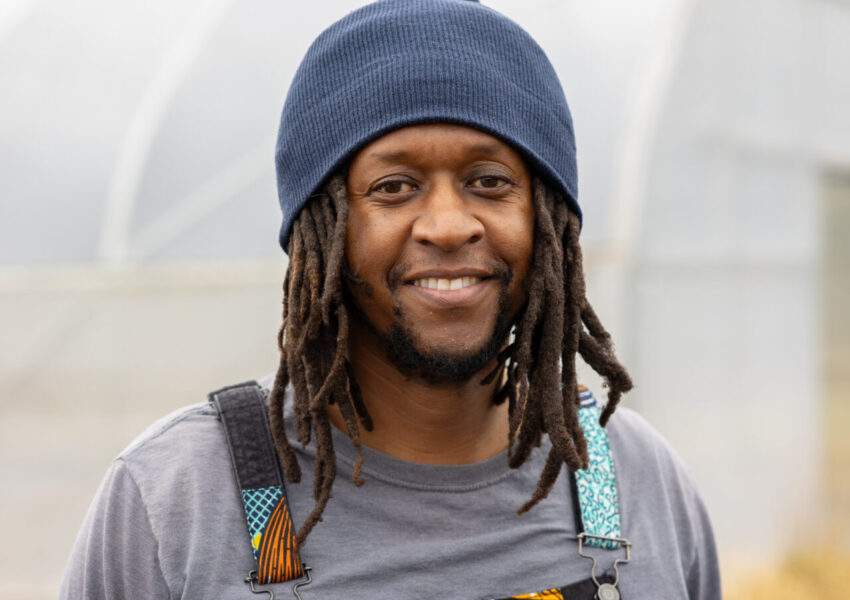
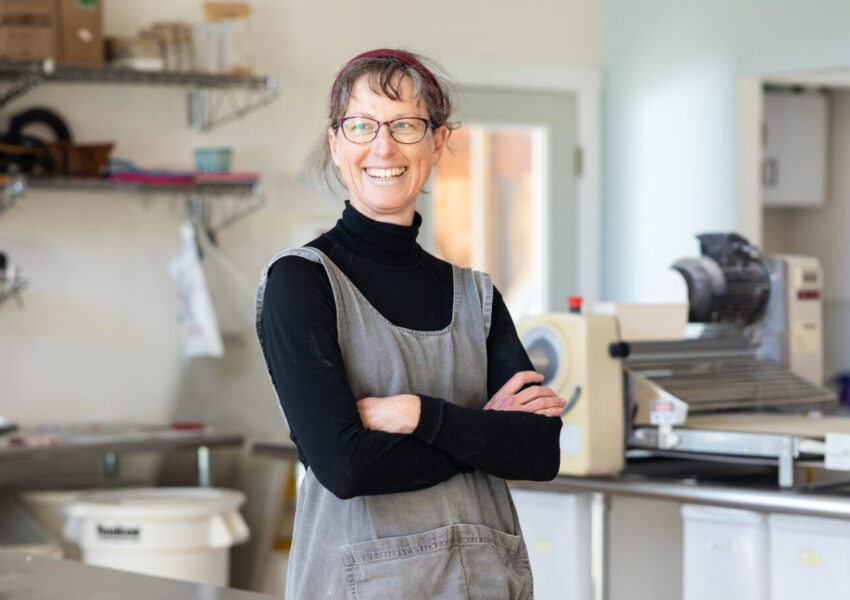
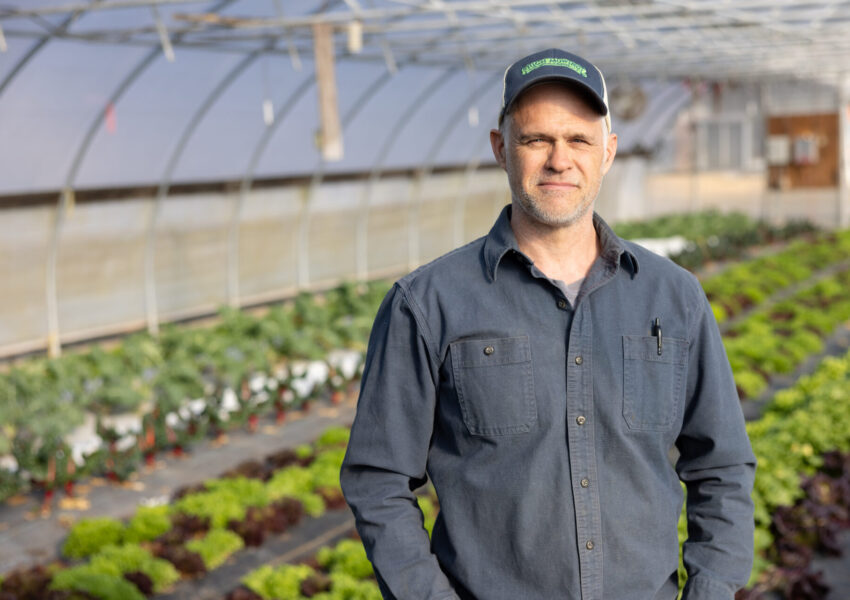
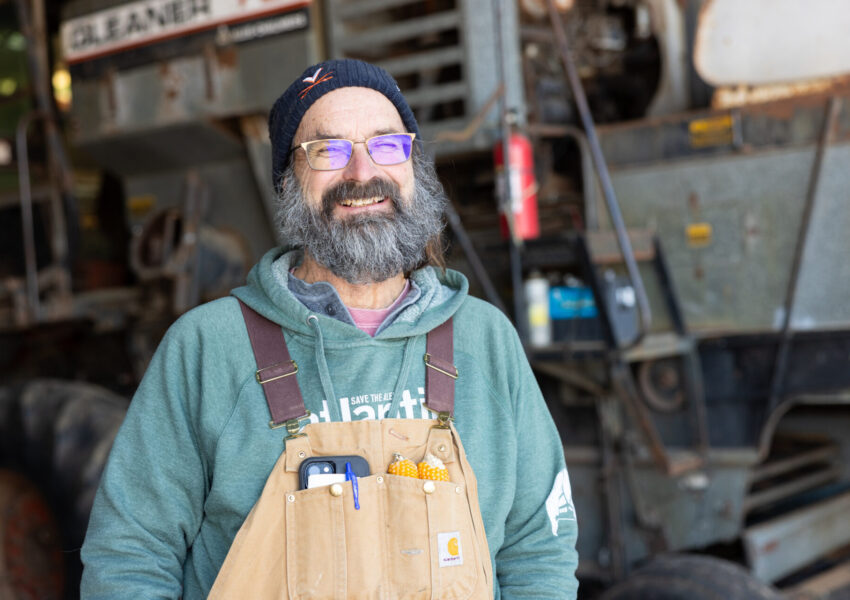
Picture soil so rich it breathes life into everything it grows. Imagine farms filled with a variety of crops that nourish communities while healing the earth. Herein lies the heart of Restoring Soil, Reviving Humanity: a collection of stories from farmers and land stewards who are transforming agriculture to reconnect us with nature, history, and one another. Set against the backdrop of Virginia—a unique place pulled between the Mid-Atlantic region and the South—these narrators share how they bring life back to the land while strengthening the bonds within their communities. Regenerative agriculture isn’t just about farming; it’s a way of thinking. It’s about restoring the land and revitalizing the people who depend on it.
At its core, regenerative agriculture focuses on making the soil healthy again—rebuilding nutrients, preventing erosion, and capturing carbon to fight climate change. But it goes beyond the dirt. It’s about protecting farmland, keeping farm businesses strong, and fostering connections between farmers and their communities.
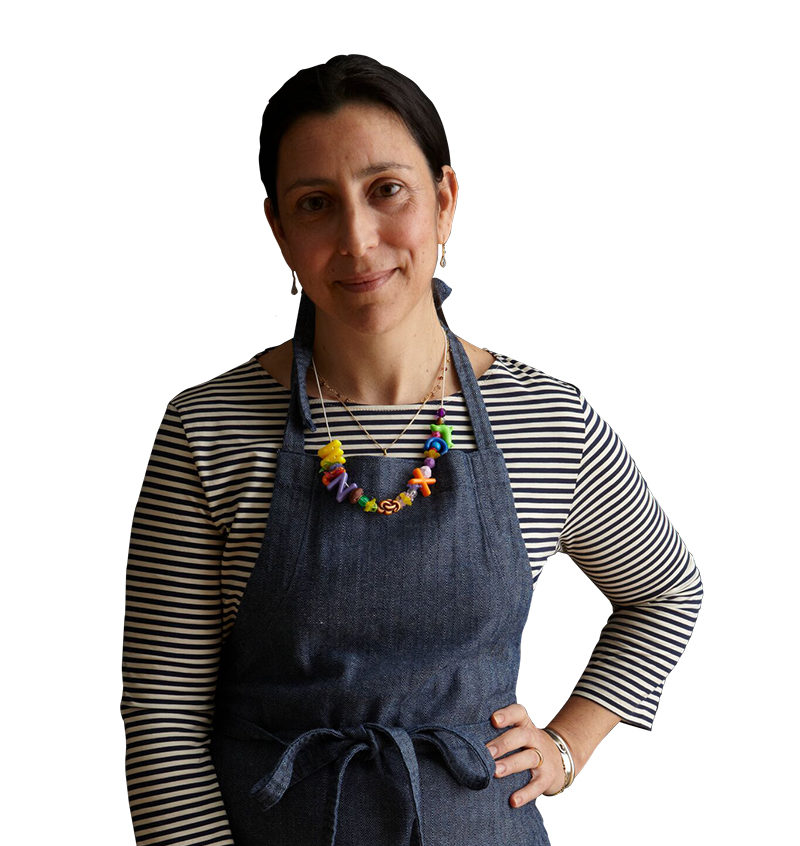
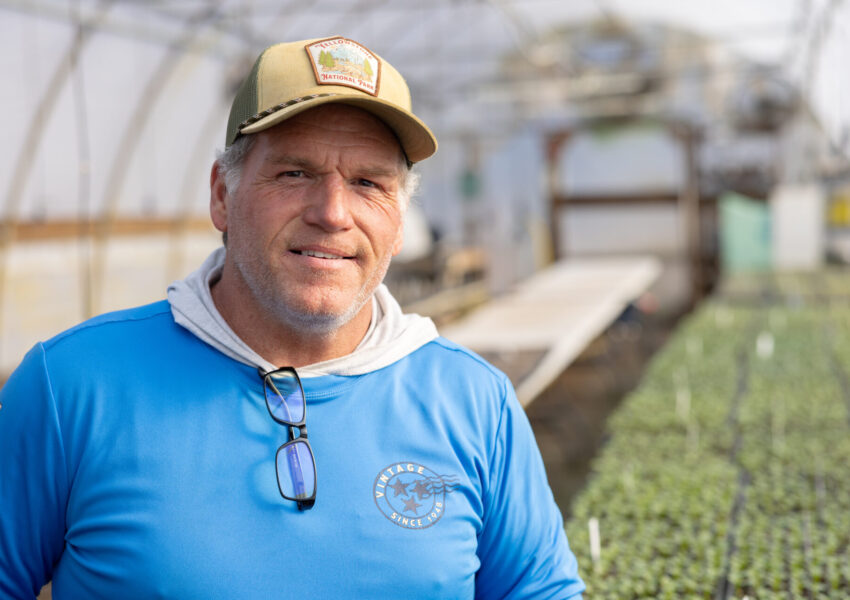
Through these interviews, we meet people like Daniel Gagnon, who brought new life to his land with cover crops that unlock hidden nutrients and feed the soil: “What did that mean?,” Gagnon says, “It certainly meant using the tools of soil-building, which is getting cover crops in there to just inject photosynthetic sugars back into the system to make minerals that may be locked up in the soil chemistry more available, which is one of the things that cover crops do.” We also meet Amyrose Foll, at Virginia Free Farm, who keeps her soil healthy by avoiding heavy tilling. Furthermore, Heather Coiner experiments with crop diversity, using different kinds of wheat to keep pests at bay and boost the soil’s strength.
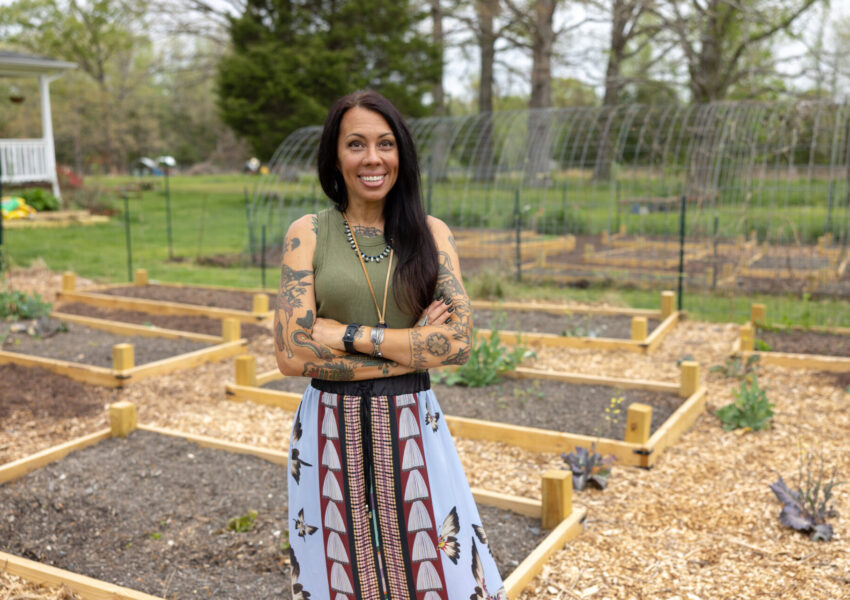
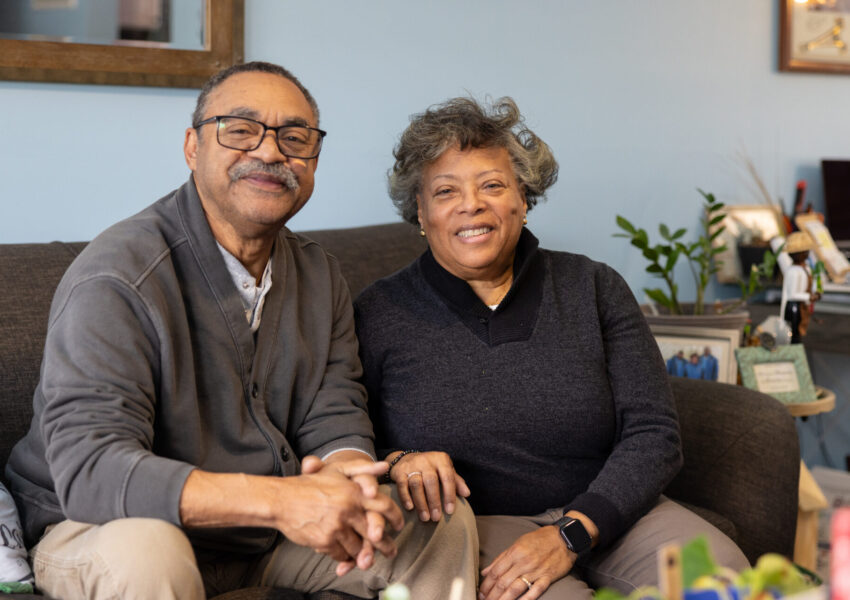
Their practices are as diverse as their stories, but their goals are the same: to care for the earth and the people it sustains. Craig McClung helps build a local grain economy by farming regeneratively at All Farm Organics and milling grains at Deep Roots Milling. Anita and Thomas Roberson, on the other hand, have turned their farm, Botanical Bites & Provisions, into a hub of fresh, local produce for farmers markets, CSAs, and small stores.
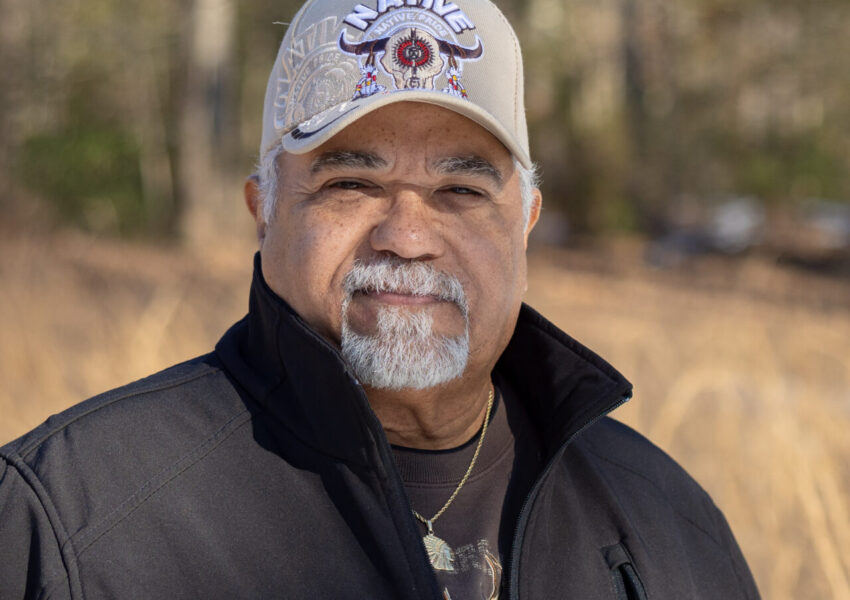
These efforts aren’t just about the land—they’re about the lives that depend on it. Michael Carter, Jr., brings his community closer to its roots at Carter Family Farms and through Africulture, a nonprofit that blends farming with cultural heritage. “Regeneration of the earth,” Carter says, “should be in line with the regeneration of the human spirit and soul.” Meanwhile, Dana Adkins of the Chickahominy Tribe works to preserve traditional land practices, ensuring his community remains connected to their history and the environment.
The narrators in this project remind us that farming isn’t just about food—it’s about connection: to the land, to each other, to the stories that shape us. Their work shows how regenerative agriculture can rebuild soil, support local economies, and heal communities, one field at a time. Join us as we explore the rich, inspiring stories of people who are bringing the land—and our humanity—back to life.
Special thanks to Amanda Cather of the American Farmland Trust and Madelyn Smith of the Common Grain Alliance.
Sources:
“Accelerate Adoption of Climate-Smart Agricultural Systems.” American Farmland Trust. Accessed December 19, 2024. https://farmland.org/accelerate-regenerative-agriculture/.
Cather, Amanda, Brooks Lamb, Jamie Mierau. Regenerate Virginia: An action plan for regenerative agriculture. Washington, DC: American Farmland Trust. Accessed December 25, 2024. https://farmlandinfo.org/wp-content/uploads/sites/2/2022/12/AFT_regenerate-virginia-updated.pdf.