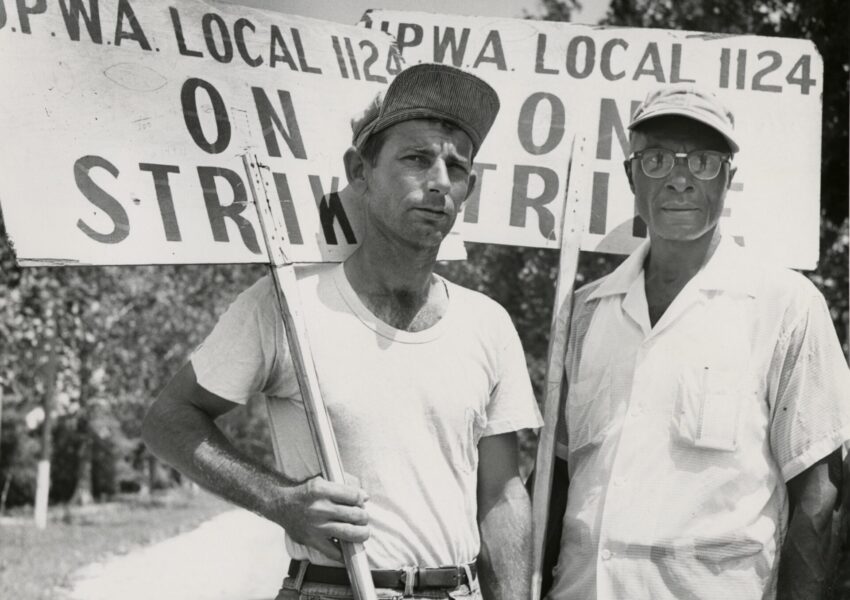

Fortner Had It Going On The legacy of a family-owned grocery store
by Keon Burns
photos by Eric Shelton
For as long as I can remember, I’ve known that my great-grandparents, and later my grandparents, owned and operated a store called Fortner Grocery in the Live Oak community near the small town of Bolton, Mississippi.
Listening to my relatives recount family stories, I understood from a young age that my family’s store nourished its customers in myriad ways. But it would be years before I realized that it belonged to a wider tradition of Black-owned grocery stores in the Jim Crow South. These Black grocery stores were vital to not only the physical health of their communities, but they also served as organizing spaces critical to our civil rights struggle. My family’s store was one of them.
My great-grandparents Annie Louise Mellon Cornelius-Fortner and Robert “Bob” Lee Fortner founded Fortner Grocery in the 1940s. At that time, it was the only Black-owned grocery store in the area, some twenty miles west of Jackson. Live Oak was tucked away from downtown Bolton, down a road where live oaks form a canopy, almost a tunnel, overhead. For decades, the store was the commercial and social center for Live Oak’s Black residents. It functioned as a grocery store, café, gas station, and social club, complete with a jukebox and a pool table. While my family doesn’t know, and I haven’t been able to turn up formal evidence that this store was an organizing spot for local civil rights efforts, what I do know is that having spaces outside of churches that were deemed safe was essential to Black survival during segregation. I also know that Black business owners such as my great-grandmother, who managed some measure of economic freedom and created a space of agency for their neighbors, commonly drew the suspicion of white supremacist groups such as the White Citizens Council and the Mississippi State Sovereignty Commission. And in this way, feeding and providing space for a community was its own act of resistance.
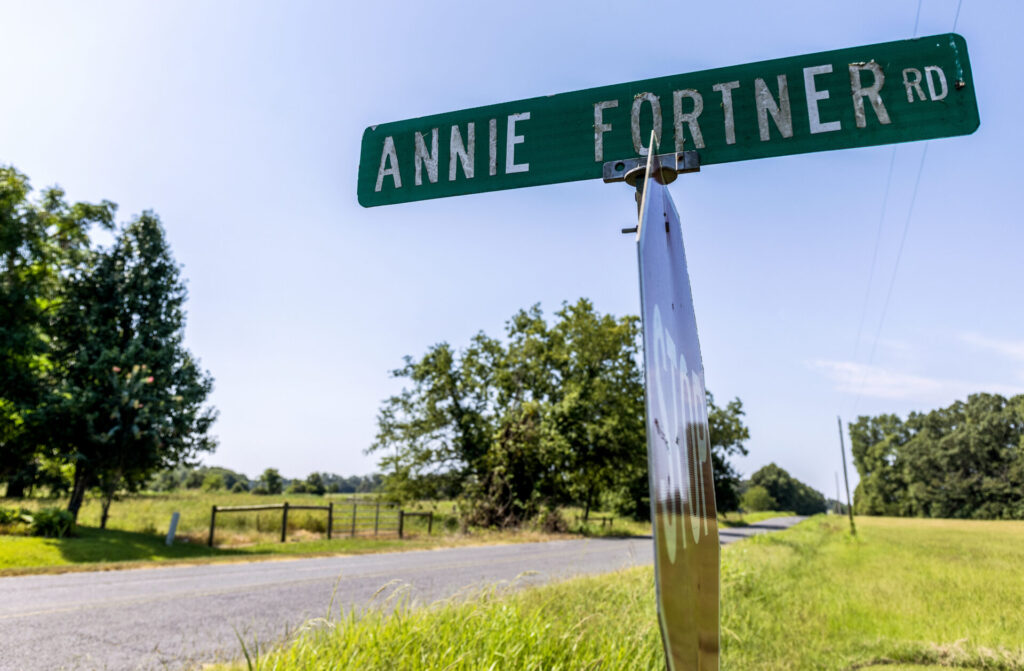
“Mama Annie,” as her grandchildren called her, was the brains behind the operation. She carefully calculated each decision for the grocery store. She optimized every facet of business, down to the plating of food in the café to maximize profits and customer satisfaction. She ensured the store stayed afloat even as white supremacist groups surveilled her actions. Fortner Grocery was only one of her many vocations and ventures. She owned rental properties and farmland and taught English, too.
Photos by Eric Shelton for Gravy
If my great-grandmother was the brains of the grocery store, my great-grandfather, Bob Fortner, was its soul. Relatives and neighbors recall that he could often be seen sitting on a wooden bench outside the store, trading stories with the regulars. Inside, the building was divided in half, with the grocery store on the left and the café on the right. Bob managed the café side, where nightlife blossomed on weekends and holidays. During the evening hours, adults crowded into the small space to let loose—laughing, smiling, and dancing. Hip-to-hip, they drank and sang along to their favorite songs. They danced until they couldn’t catch their breath. Behind the store, the thud of the jukebox was drowned out as men yelled and carried on over the sharp clicky-clack of dice against cardboard.
People came from throughout the greater Jackson area to eat and have a good time at Fortner grocery. Most days, if customers were fortunate, they were greeted by the mouthwatering aroma coming from the kitchen. Collard greens, chitlins, smoked sausage, pork chop sandwiches, pig ear sandwiches, red rose sandwiches, rag bologna sandwiches, hamburgers, and fried bigmouth buffalo fish were among the café’s best sellers. If people smelled fried catfish, they knew Albertha Floyd or my great-grandmother Wookie was cooking. The scent of chitlins was associated with my great-grandfather Bob, who was famous for the dish. According to Anita Watson, a family friend who worked in the store when she was a child, “His secret ingredient was orange soda, and he didn’t clean his chitlins, either. And people would be tearing them up not knowing they wasn’t clean.”
Photos by Eric Shelton for Gravy
I never got the opportunity to talk with my great-grandparents about the store, and I never had a chance to walk the aisles. But as I grew up, I was surrounded by memories and reminders—old pictures, passed-down stories. Whenever I visited my auntie Tonya, she would take my cousins and me down a dusty dirt road. At the end of the road was a path leading to concrete slab weathered by rain and scorching Mississippi summers. While we played, my auntie would repeat that familiar phrase, “Your grandad used to own a grocery store, and this is where it once stood.”
All that remains of Fortner Grocery today is a weed-choked concrete slab. The building was destroyed by a fire in the late 1970s or 1980s, but I’ve never been able to find out exactly what happened. Fortner Grocery once served as a nurturing force for a thriving and self-sustaining community. Over the years, most of the families who once lived in Live Oak moved away. Today, the nearest store is a Dollar General about five miles away, and the closest supermarket is thirteen miles away. People can buy their groceries at a big-box chain, dance at a nightclub in Jackson, and engage in political activism online. Places like Fortner Grocery are gone, but I don’t want them to be forgotten. Learning about the impact of my family’s grocery store instilled pride in me. I’ve grown to understand why the story of Fortner Grocery has been passed down over four generations, and I look forward to one day when I will be able to tell my children or my nieces and nephews,“Your ancestors used to own a grocery store, and it was the heart of the Live Oak community.”
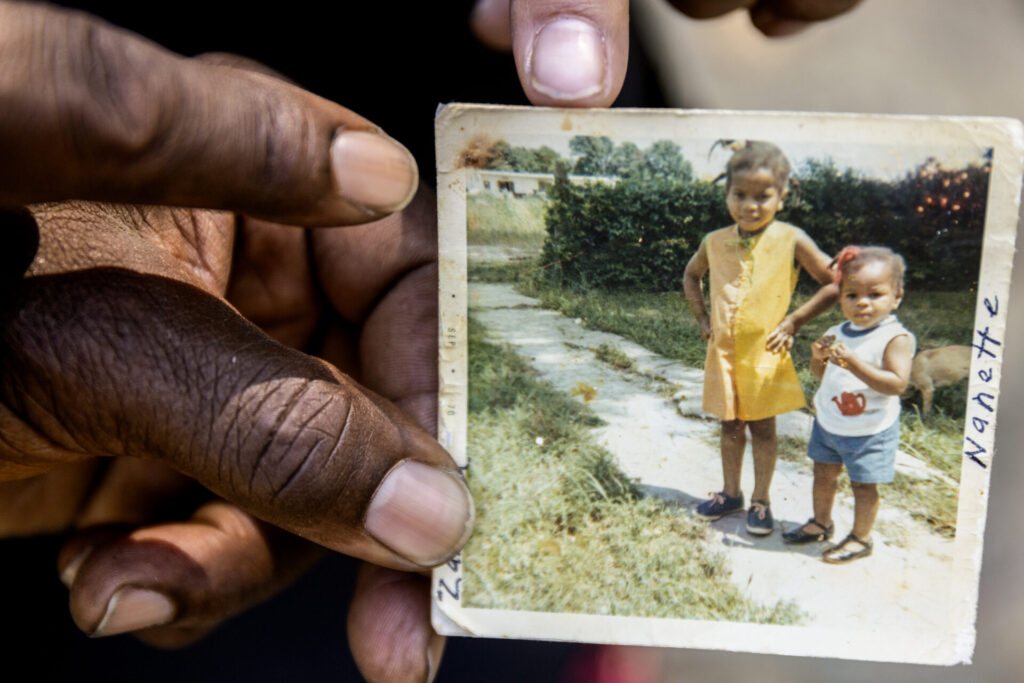
Photo by Eric Shelton.
Keon Burns is a dual doctoral candidate in history and Africana studies at Pennsylvania State University. The Mississippi Department of Archives and History’s 2024 Medgar and Myrlie Evers Research Fellow, he earned his undergraduate and master’s degrees from the University of Mississippi.
SIGN UP FOR THE DIGEST TO RECEIVE GRAVY IN YOUR INBOX.