Saving Places Replacements, Ltd. makes sure there’s a place (setting) for everyone at the table.
by Martin Padgett
Photos by Woody Marshall
We’d been returning the dining room to a more usual state of repair after a holiday feast when the unthinkable thunked. An old pine floorboard had flexed, to calamity. I held my breath and turned toward the vintage dining-room cabinet where we stored my husband’s family china.
“Oh, no,” I groaned.
A half-dozen pieces of Aunt Helen’s Royal Doulton Cotillion china that had been stacked a little too carelessly leaned perilously against the cabinet’s glass door. The dessert bowls—white with thin bands of platinum circling the delicate rims and sprigs of tiny steel-blue flowers dancing along the interiors—were on the precipice.
We tried sliding a thin cutting board between the doorframe to dam the flood, but the teetering pile of memories grew more unstable. With the glum acceptance of the condemned, we opened the door and grabbed…only air. A stack of bowls toppled to the floor. The chunks and shards couldn’t be made whole again.
Years passed before I tried to temper the loss. I turned to the place I’d known from countless trips down Tobacco Road from Virginia to Georgia. It’s where the broken past can be repaired and new memories created, one dessert bowl at a time.
Raiders of the lost breakfront
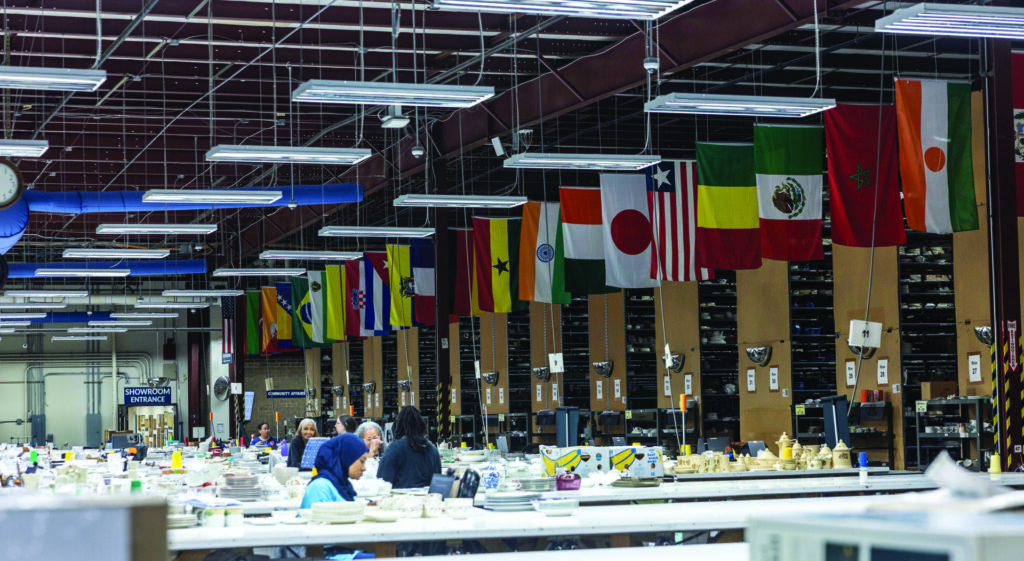
It’s only eight in the morning, but the warehouse at Replacements, Ltd. near Greensboro, North Carolina, already hums with the pirouettes of electric forklifts running robotic errands and employees sorting dishes at massive tables, one box at a time. In the background, shelves of Fostoria glassware and Spode plates soar twenty feet high and recede into the background. It’s a scene straight from Raiders of the Lost Ark, except I’m trying to locate the precious object in question, not bury it.
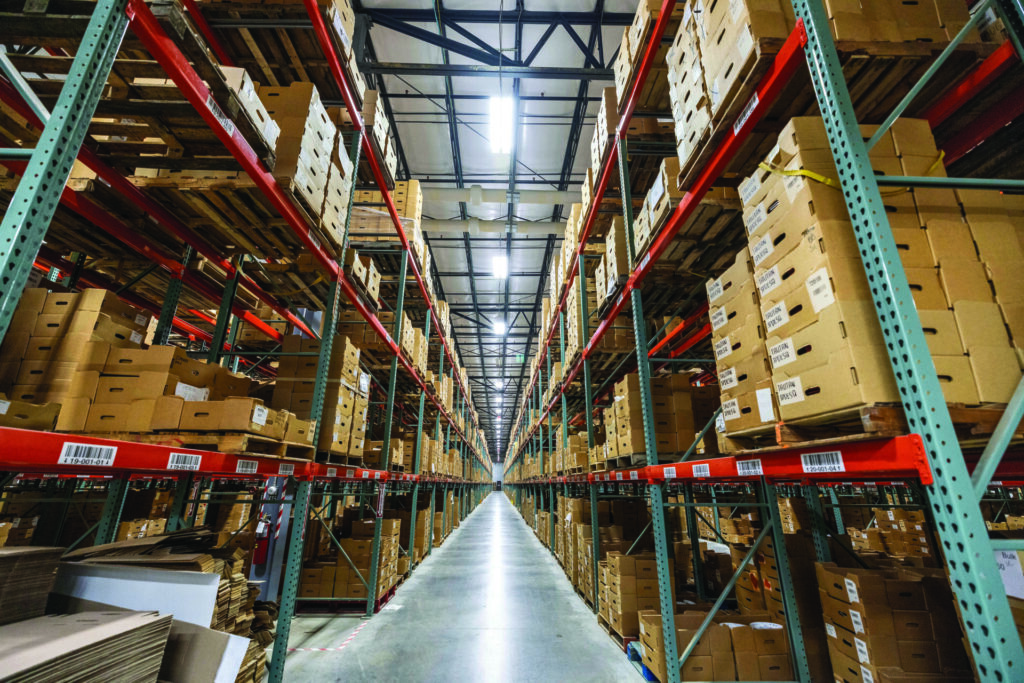
Replacements calls itself the largest new and used tableware seller in the world. It considers itself the category killer and industry leader, since eBay doesn’t offer all of the services it does. Entering this obsessively organized warehouse, it’s clear why Replacements feels it has bragging rights. Nearly every plate, glass, fork, and spoon you can imagine is curated in a warehouse forested by some 65,000 shelves, with more than 475,000 patterns across eleven million individual pieces. Workers wrap, box, and ship roughly 2,000 orders every day. During the holidays, that number doubles. They also unpack, stack, and organize scores of incoming items. In this building, every day is like a treasure hunt (but with really detailed maps).
Roughly 350 employees wind through the aisles. I wander among them and begin to spot some of the patterns of my own life: blue-and-white stoneware and Waterford Lismore wine glasses and 1980s-vintage Mikasa teacups. It’s an archive, a business, a maze of memories. And it’s the brainchild of one particularly avid collector.
On this visit, the ultimate treat would be to have the creator of this astonishing place guide me through it himself, explaining his motivations, decisions, hopes, and dreams for it; maybe even watch him caress his favorite cut of stemware or patterned plate. But Bob Page, who began this enterprise decades ago because he loves beautiful things, isn’t giving me a tour today. He’s in his eighties now and has told his story many times. He declined my request for a sit-down interview. But in an email, he said he believes Replacements offers something far longer lasting than tableware. “We’ve helped people preserve the memories and traditions that give their lives meaning,” he wrote. “We’re helping reconnect them to moments, people, and stories that might otherwise be lost.”
Even though he’s not beside me today, I haven’t been left alone to steer myself through this manifestation of his legacy. Replacements executives Linh Calhoun and Keith Winkler are my guides. Calhoun is the chief marketing officer here. A former L.L. Bean analyst and vice president of marketing at Vietri, a North Carolina–based importer of Italian tableware, she’s a veteran of the “don’t touch the hutch” era when the “good” dishes only came out during holidays, protected by lots of admonishments and crossed fingers. Winkler is the marketing and media relations manager. He came to Replacements thirty-four years ago. By then, Page had already been on the job for more than a decade, collecting pieces, writing catalog copy, and filing customer data by hand.
From Fostoria to the Atomic Age
Page’s earliest years have been well documented: growing up on a North Carolina tobacco farm as one of four children in a house with no indoor bathroom; realizing he was gay, praying not to be; serving in the Army in Vietnam; contemplating suicide, choosing to live instead; eventually becoming a CPA and a North Carolina state auditor. He hated that work. But he loved hunting estate sales and flea markets for the finery he hadn’t had growing up. His keen eye brought requests from friends to find pieces for their own tables—so many requests that he started to record them on three-by-five index cards. The treasures filled the attic of his home. Searching for them filled his weekends. Then he decided to let them take over his career.
“His parents thought he was crazy,” Winkler says.
With his initial database of index cards and some advertising in Southern Living and Better Homes and Gardens, Page launched Replacements in 1981 and brought in more than $150,000 in the first year. Page was the algorithm until 1984, when the company bought its first computer. Gradually the index cards migrated to a database with all the customer vitals: When did they call? What did they want? What did they buy? In time, the business was so good at what it did, Oprah Winfrey noticed. When Winfrey began fulfilling viewers’ dreams on her syndicated talk show with everything from books to brand-new cars, she had her team contact Replacements for a set of CorningWare breakfast bowls. A viewer wanted to complete her late mother’s set. Once the show mentioned the company, the floodgates opened. Winkler estimates the Oprah effect to have been worth more than $1 million.
North Carolina’s own Great Wall of China
Replacements gets most of its stock as remnants from manufacturers but also buys from department stores and individuals. If at least ten people request an item that’s not stocked in the McLeansville, North Carolina, warehouse, hunters and pickers go out to find it.
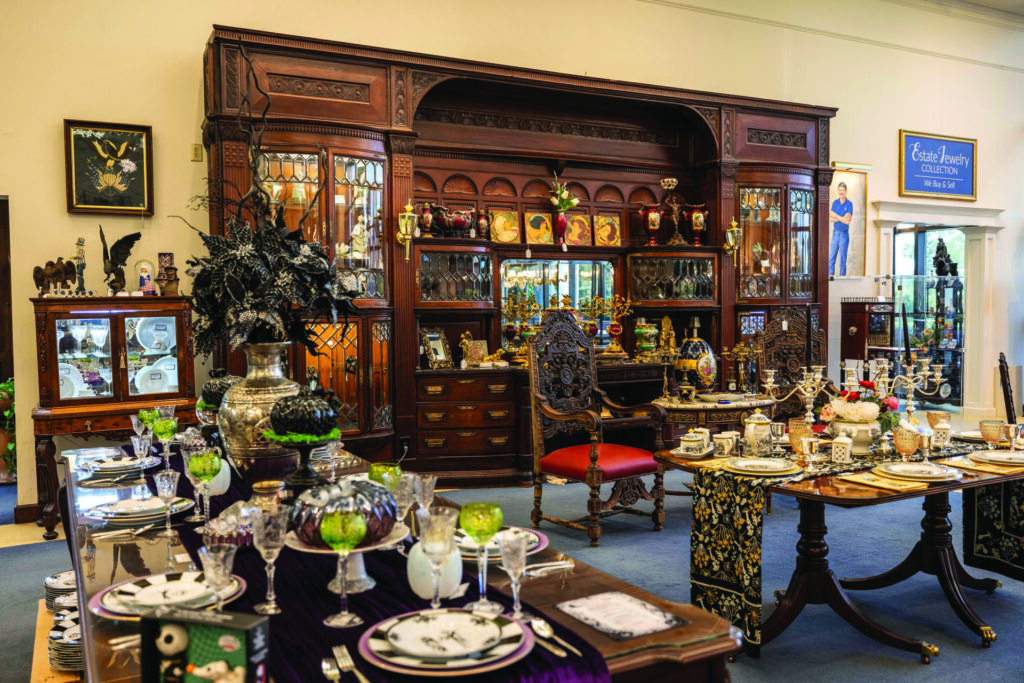
Visitors to the showroom can scan the “Great Wall of China,” where the 500 bestselling patterns line a long hallway. There, among Spode’s Woodland line and Portmeirion’s Botanic Garden, I spot my Denmark dish set—bought for eight dollars down the road in an outlet mall in Burlington—and the Currier & Ives set that has graced my family table since the early 1970s.
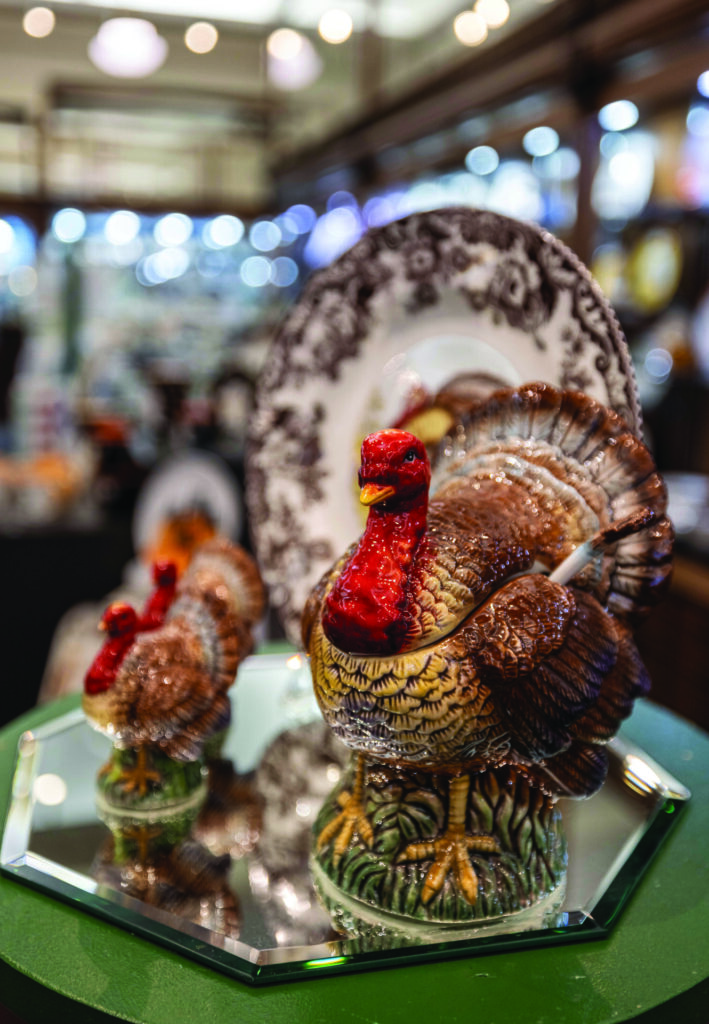
Prosaic? Yes, until that hallway ends in Replacements’ museum. It’s stuffed with an array of ultra-collectibles, such as serving pieces from Royal Copenhagen’s Flora Danica collection. Hand-painted, from a design in use for more than 200 years, the pattern includes pieces like an ice dome, with latticework that exposes ice to cool the room—almost like an analog air conditioner. There’s a Monteith bowl, notched to support glasses filled with Champagne, and a tureen with a lid—all of them conservatively worth thousands of dollars. They’re the crown jewels of Replacements’ collections, like the diamond rings for sale at Costco.
Most people like me, though, are looking for more affordable gems and sometimes quick fixes. Ever recognize a set of dishes on a kitchen table in a television show or movie? Replacements has had a supporting role or two in productions over the years. The producers of a Fancy Feast cat food commercial once called them in a panic. The cat cast in the shoot had knocked over a piece of stemware used as a food dish and broke it. Did Replacements have any more? The company sent two identical stems overnight so filming could wrap.
The boomer inheritance boom
The typical Replacements customer, a fifty-five-year-old woman, wants to complete a collection for her own use or to pass on to a child or a grandchild. Younger buyers entering the entertaining phase of their adult lives want to upgrade from cans and bottles to cocktail coupes and coordinating shakers.
While ninety percent of this business comes through visits to the website, social media is critical. Replacements has a solid though not enormous Instagram following of about 99,000. Memes and clips starring some of the oldest patterns imaginable—Currier & Ives and Spode Christmas sets—make the case for relevancy to a new generation. Influencers have taken notice. In a recent Instagram post celebrating Christmas in July, twin sisters Abbey and Hayley Hester (@howwehost) erected an artificial tree on a beach, decorated it, then set a table for four with “vintage” Christmas china they said they got from Replacements. The sisters said they were particularly thrilled to learn the holiday pattern by Furio was introduced in 1997, the year they were born.
Posts like that contrast with memes of “boomer inheritance”: unwanted items some Gen Xers and millennials are getting from their parents, such as place settings for twelve and punch bowl sets. Parents and children don’t always share the same tastes. This has created a flood of china, silverware, and crystal now coursing through the Goodwill universe. Then there’s the ever-rising American cost of living. That means smaller homes, and homes more likely to be rented and even shared, leaving little space for possessions that might be seen as ceremonial instead of useful.
Voice actor and Psychology Today blogger Dena Kouremetis wrote last fall about how her mother would stand in awe of a treasure amassed over a lifetime and stacked neatly, dustlessly, in a breakfront—while Kouremetis “wondered why we had to have a department store window in our dining room.”
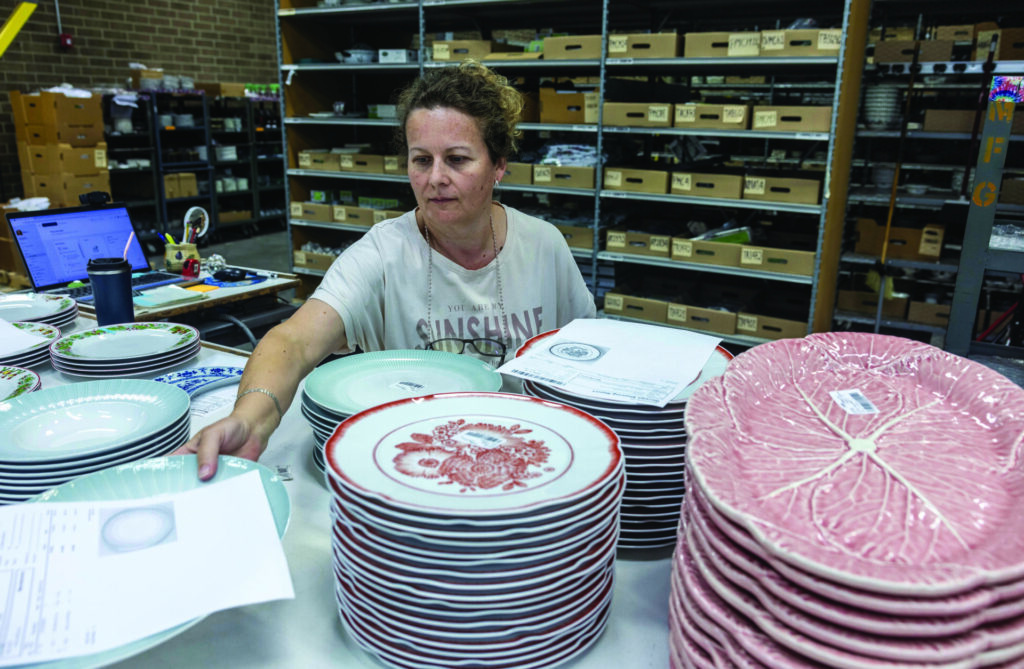
Replacements has responded to that generational shift in taste by curating popular mid-century modern patterns and nodding toward cocktail culture, from martini and double old-fashioned glasses to swizzle sticks and cocktail shakers. Even with these accommodations, Replacements puts on an annual yard sale to thin its ranks of the pieces that haven’t sold and have been moved to a longer-duration storage facility on site. Imagine a parking lot covered with row after row after row of cardboard boxes filled with a rainbow of plates, bowls, coffee mugs, and just about everything in between. Then close your eyes and imagine the sound of hordes of people clanking and clattering their way through each container in search of a treasure.
Even so, “we have a hard time with pruning,” Winkler says with a laugh.
For keeps
Some of Cyndi Tramontano’s earliest recollections are of the after-school snacks her mother served on a childhood tea set which Cyndi still owns today, along with thousands of pieces collected over the decades. She saw a Replacements ad in Southern Living magazine, and that fueled her hobby. “It was like a magic time machine, really,” she told me over Zoom this past August, “because you could find things that weren’t being produced anymore.”
A while back, she traveled from San Antonio to the North Carolina warehouse for a few days of shopping to fill her “china room” back home. With more than thirty collections in various stages of completion, she has visited the Replacements website so many times that her house is like a satellite of the mothership. By her estimate, there are thousands of pieces with more than a hundred patterns represented, stacked throughout her kitchen, dining room, and basement.
She and her mother have connected and collaborated over pages of Replacements goods, and Tramontano now adds pieces to the pattern she shares with her mother and her daughter. In all, the three women have more than sixty place settings and over five hundred individual pieces of Lady Carlyle by Royal Albert.
To Tramontano, this passion—this obsession—isn’t hoarding. It’s a way for her to connect with family and to friends. When a new couple in her network sets out to furnish their home, they might get an invitation to Cyndi’s china room to select a set she’s curated. “When you’re gonna be getting married, you get to come over,” she beams, “and I’ve chosen fourteen to sixteen place settings to represent the different patterns, and I put them on my dining room table.”
She’s careful to hold close the pieces she treasures. A bowl owned by her grandparents, bought with green stamps, sits in her home near a set of Wedgewood New England Industries plates, which form a complete set of twelve and hang on a wall in her kitchen. Another trip to North Carolina is in her plans. She considers her collection a beautiful work in progress. “I get to collect all kinds of beautiful art,” she says. “And then I can turn around and I can set a table with it. Once I do that, it starts to become infused with the memory of the people that I share it with. They say, if you’re having memory trouble, look through photo albums. These are my photo albums.”
Bob’s Closet
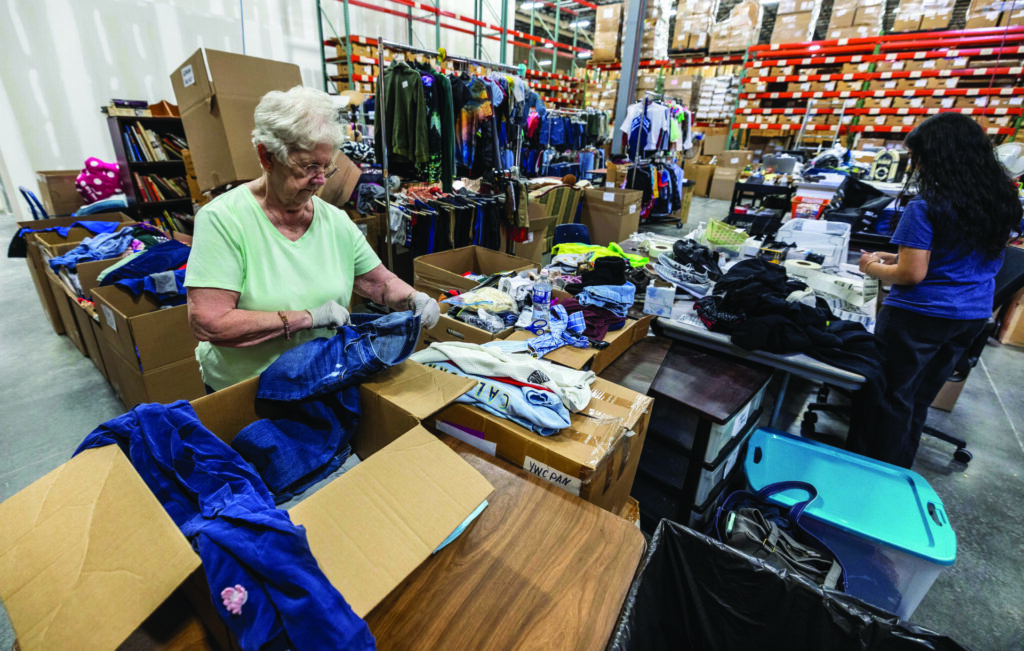
Replacements caters to others who might never be able to afford its wares. In Bob’s Closet, the company collects and displays clothes, shoes, bags, and accessories for anyone in need. They can select a week’s worth of clothing four times a year, free of charge. Page hunts it all in his SUV, sometimes enlisting a tail vehicle to follow and help with the haul.
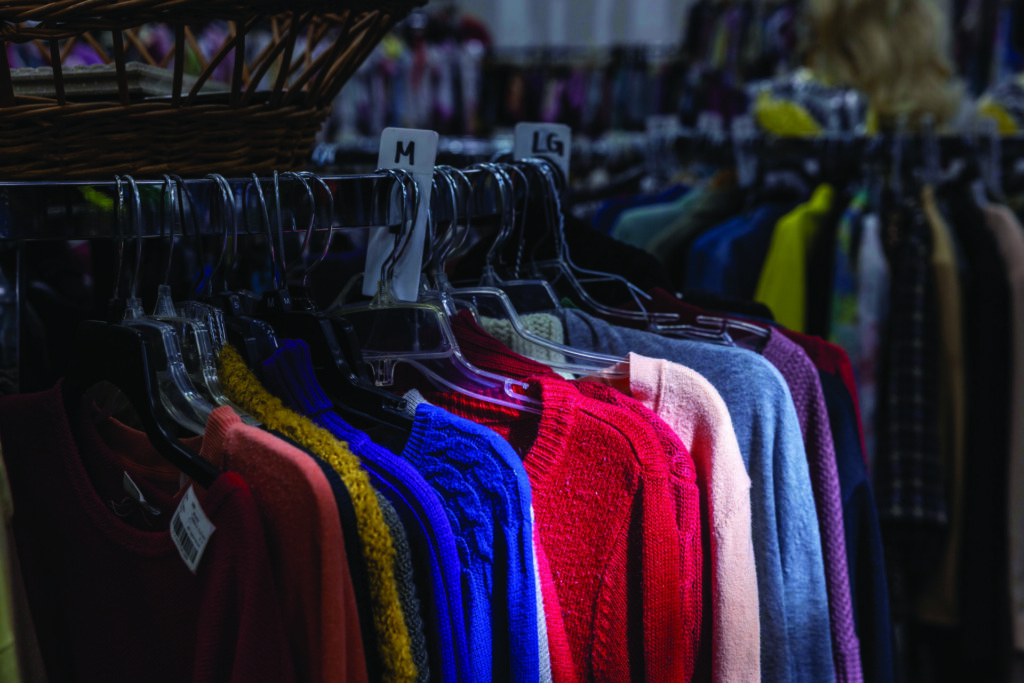
The name is a pun on the outspoken stance Page has taken as an out gay man. In 2012, the North Carolina legislature proposed a ban on same-sex marriage. Page spent his own money and reputational capital to lobby state legislators, hire out a billboard near Replacements headquarters, and sell T-shirts at Replacements in efforts against the measure.
Page received hate mail and likely lost business. As The New York Times reported, one shopper wrote, “Visiting Replacements Limited has always been one of my favorite treats,” while another said, “I had the privilege of experiencing your beautiful store firsthand”—yet both swore never to shop there again.
“I just refuse to hide,” Page told the Times. “I did that way too many years and it’s just not healthy.”
His email to me echoed that commitment, saying “that we’ve worked to build a company where diversity is embraced, and people feel they truly belong. I believe the strongest communities are built not simply by what we sell, but by how we care for one another.”
“There is more”
It’s not a surprise that a company built, in effect, around organized hoarding would provide for all its extended family. What’s even less surprising is how quickly visitors and employees become topic experts on tableware. Linh Calhoun, the chief marketing officer, arrived at our interview with a plate from her own Portmeirion Botanic Garden set, which she chose for its floral motif and for its heft. It felt sturdy, she recalled, and “we knew we would use it every day.”
Winkler proudly showed off a Wedgwood platter he bought when he first came to work at Replacements, a cream blank stamped with neoclassical decoration. He also treasures his set of blue and white stacking Pyrex Cinderella bowls with pouring spouts that date from the 1960s.
What might surprise those who wend through the aisles of Replacements are the powerful emotions that well up with just a sight of a familiar, familial pattern. People cry sometimes when they spot a piece from a long-lost table. Or they write to the Replacements team in deep appreciation. Calhoun tells the story of one customer who had an incomplete set of wedding china. When her husband died, the customer completed it and set a place for him at their table.
The thing about wedding china, or any special-occasion china, is that it can get relegated to the “good stuff” cabinet with things that rarely get used. And there are some people who’d rather not use an incomplete set. Today, some hosts consider a mix-and-match approach to tablesetting modern and acceptable, while others still deem it unthinkably gauche. Whether a person has only a few pieces of a service or the whole thing, the point is not to lock it away, says Calhoun. “You may treasure it, but please use it, because there is more.”
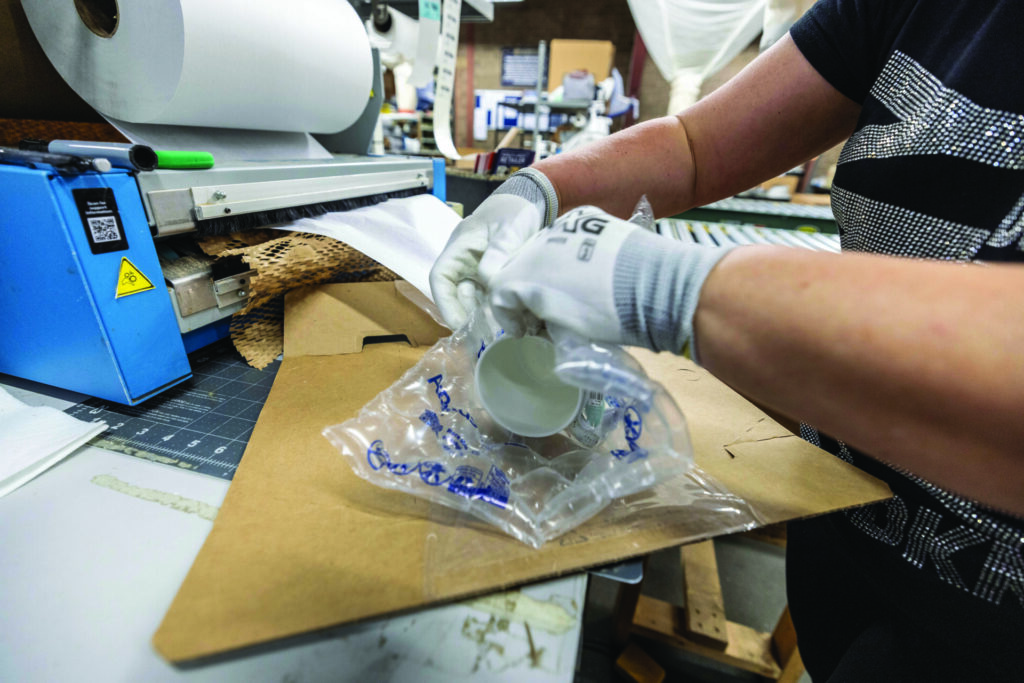
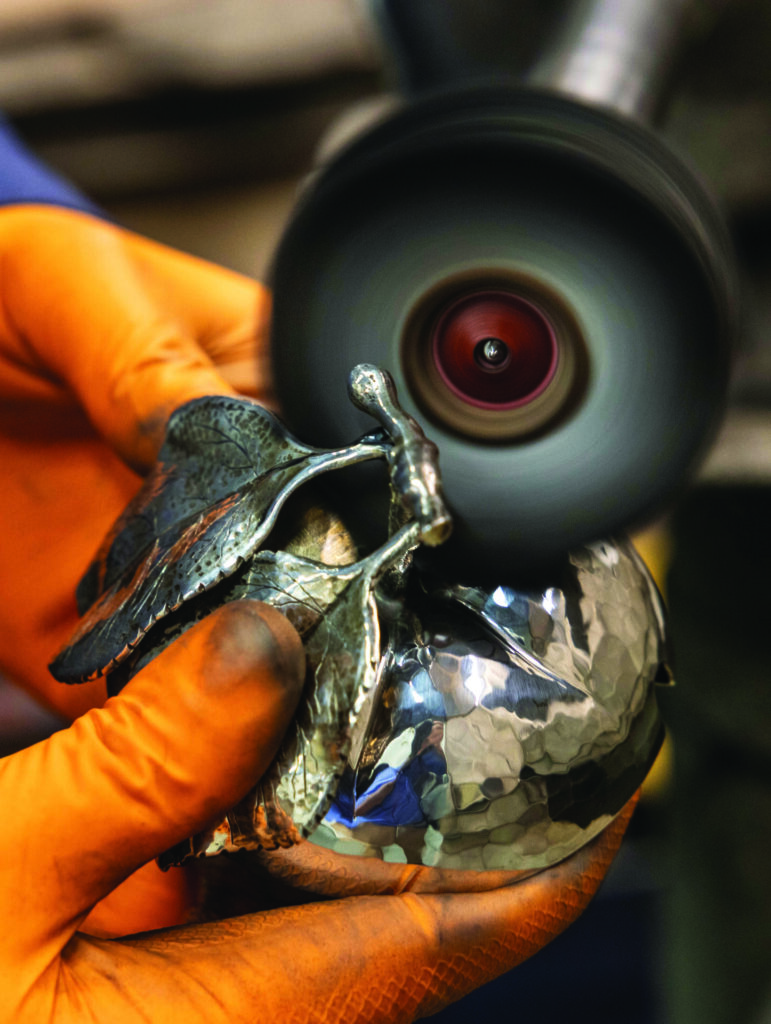
I’d been reluctant to even bring out the rest of Aunt Helen’s china, since I’d had a part in its decimation. But Replacements has four of the bowls we need in stock. They’re $13.99 apiece. As a company where nostalgia is baked into the business model, Replacements appreciates that some clients don’t want a replacement but a repair. Craft workers can replate silver, grind chipped crystal rims on champagne flutes, and regild china. As the chief surgeon at our own Christmas Ornament Hospital, I wonder if they might have been able to fix our original Cotillion dessert bowls, but alas.
More of the bowls exist, somewhere. Perhaps one day I’ll visit the Replacements website, and there they’ll be. Definitely, my husband and I should plan a trip up to the annual yard sale. We’ll take our own SUV. Maybe even stop overnight.
We might need some more storage room, while we’re at it.
Martin Padgett is the author of The Many Passions of Micael Hardwick and A Night at the Sweet Gum Head, which is in development with the Alliance Theatre’s Reiser Lab. His last story for Gravy was “Object Permanence,” published in 2025. He is an instructor of English at the University of Alabama.
SIGN UP FOR THE DIGEST TO RECEIVE GRAVY IN YOUR INBOX.