“Come Hell or High Water, They Were There.” When Hurricane Helene exacerbated food insecurity in western North Carolina, community-based Bounty & Soul stepped up to serve its neighbors.
by Tiana Kennell, Photos by Juan Diego Reyes
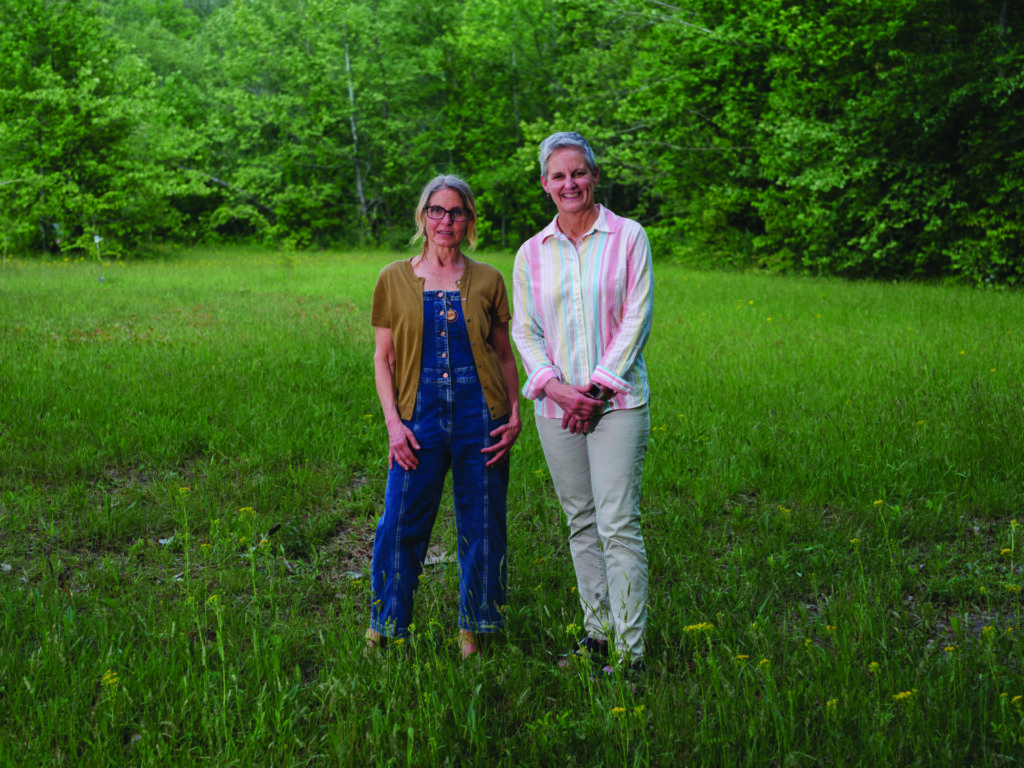
Paula Sellars was trapped. On September 27, 2024, Helene passed over western North Carolina as a tropical storm, dumping torrents of rain and causing devastating floods. The gravel road that served as the sole access to Sellars’ mountainside neighborhood off Highway 9 in Black Mountain collapsed. She and her neighbors were stuck for days.
Residents hiked through the area searching for another way out but found landslides in every direction. They pooled their food, water, propane, and supplies, not knowing when more would be accessible. They used satellite internet to call for medical assistance for a neighbor scheduled to give birth by C-section. Helicopter rescue teams, including private pilots, airlifted the mother, vulnerable seniors, and residents with medical conditions to safety while Sellars and others stayed behind.
Sellars eventually connected with her colleagues at Bounty & Soul, the community-based hunger-relief nonprofit where she works as deputy director. She was eager to get back to work. Finally, on day five, she traversed the makeshift path her neighbors cleared at the main access point, and a colleague picked her up on the highway to take her to the organization’s headquarters.
When she arrived, Sellars thanked her team for their hard work and commitment. While she had been stuck in her neighborhood, some of her coworkers had been displaced from their homes.
Two days before the tropical storm pummeled western North Carolina, citizens began to prepare by fueling vehicles, stocking food, and sandbagging businesses. Unfortunately, their efforts wouldn’t be enough.
A day after making landfall in Florida as a category 4 hurricane, Helene passed over southern Appalachia, leaving death and destruction in the aftermath. It was the deadliest and costliest hurricane in modern North Carolina history. Floodwaters, landslides, downed trees, and debris made roads impassable and, in some areas, nonexistent. Restaurants, grocery stores, and gas stations closed or limited their operations. Potable water was scarce. Widespread electricity, cellphone, and internet service outages eliminated the option to check on loved ones or call for help. Neighbors depended on neighbors.
Bounty & Soul was among the many groups dedicated to feeding and caring for the public. The organization is headquartered in Black Mountain, just fifteen miles east of Asheville. In the days, weeks, and months following the storm, staff and volunteers served thousands across Buncombe County and beyond while enduring personal trials and tribulations. They procured farm-fresh and shelf-stable food and supported free hot-meal operations.
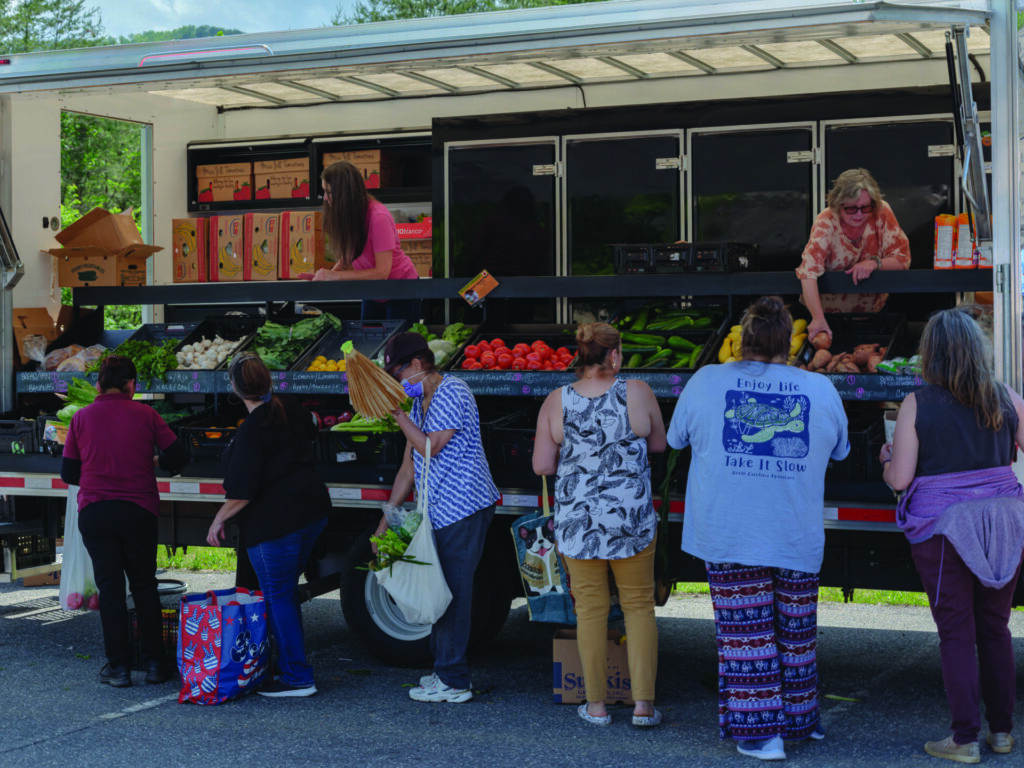
On the Wednesday before Helene’s arrival, staff and volunteers packaged and distributed free food boxes a day ahead of the scheduled Thursday market in Black Mountain. The boxes are part of Bounty & Soul’s Produce to the People program that hosts ten weekly, no-cost community markets and farmers market truck pop-ups throughout Buncombe County: in Asheville, Black Mountain, Swannanoa, Leicester, and Fairview.
Storm preparation quickly transitioned into disaster relief.
At first, Bounty & Soul focused on Swannanoa, a mostly rural, unincorporated community of about 5,000 residents between Asheville and Black Mountain that was particularly hard-hit by the floods.
“It was chaos in Swannanoa, but people were helping each other,” says Bounty & Soul founder and executive director Ali Casparian.
Once the rain stopped, rivers crested and floodwaters receded, but hazards remained. Propane and other unidentified tanks were spotted among the debris and vehicles in a tangle of wreckage along the river. Sellars noticed an unknown airborne orange dust that settled on surfaces. She grew more concerned about the staff’s health as they delivered food in Swannanoa. Residents reported suffering respiratory issues and chemical burns after coming into contact with storm wreckage during clean-up. Sellars secured respirator masks, and her team continued to work.
The public came to Bounty & Soul’s aid. People from states away, created a constant flow of trucks delivering small and large shipments of supplies to the hub. Bounty & Soul’s board chair requested satellite internet, and within twenty minutes of the request a community member arrived and installed it on the roof. When a portable toilet was delivered to the facility, recalls Sellars, the team celebrated with “shouts of glee.”
More than eight months later, the work isn’t done. The recovery is expected to last for years. Bounty & Soul is digging in for the long haul.
“By week four, we realized this is a marathon, and not a sprint,” Casparian says.
Casparian’s dedication to food aid is both personal and professional. She says that her own past struggles with food insecurity, which caused her to depend on food banks and other charitable organizations for sustenance in the past, motivated her to establish Bounty & Soul in 2014. The organization aims to help others bridge the gap between food security and whole-person health. Its initial focus was on Swannanoa.
Swannanoa is bookended by Asheville and Black Mountain, destinations that have become attractive to tourists and transplants. Yet this rural community has fewer businesses, attractions, and resources than its neighbors. It struggles with high poverty and high unemployment.
On Swannanoa’s western border, Asheville is a city with an award-winning restaurant and beer scene and a symbiotic relationship with the region’s diverse agricultural industry (there are over 42,000 farms in the state). Still, about 20 percent of adults and just under 15 percent of households with children across western North Carolina are food insecure, according to data compiled by the WNC Health Network.
Since Bounty & Soul’s founding, Swannanoa and the surrounding communities’ need for fresh, healthy food has increased, which Sellars attributed to Buncombe County’s high cost of living and affordable housing shortage. Post-pandemic inflation only compounded the problems.
According to data released this year by the North Carolina Housing Coalition, 30 percent of Buncombe County households were cost-burdened, with 53 percent of renters and 19 percent of homeowners facing difficulties affording their homes.
Helene exacerbated the area’s preexisting food-insecurity issues. Bounty & Soul has responded by upping its food distribution production, expanding its outreach area, and further developing its no-cost Produce to the People program: pop-up distribution sites designed like farmers’ markets, where anyone can select fresh food at no charge, with no criteria to block access.
By spring of this year, Bounty & Soul provided an average of 160,000 pounds of fresh produce per week to 25,800 individuals per month.
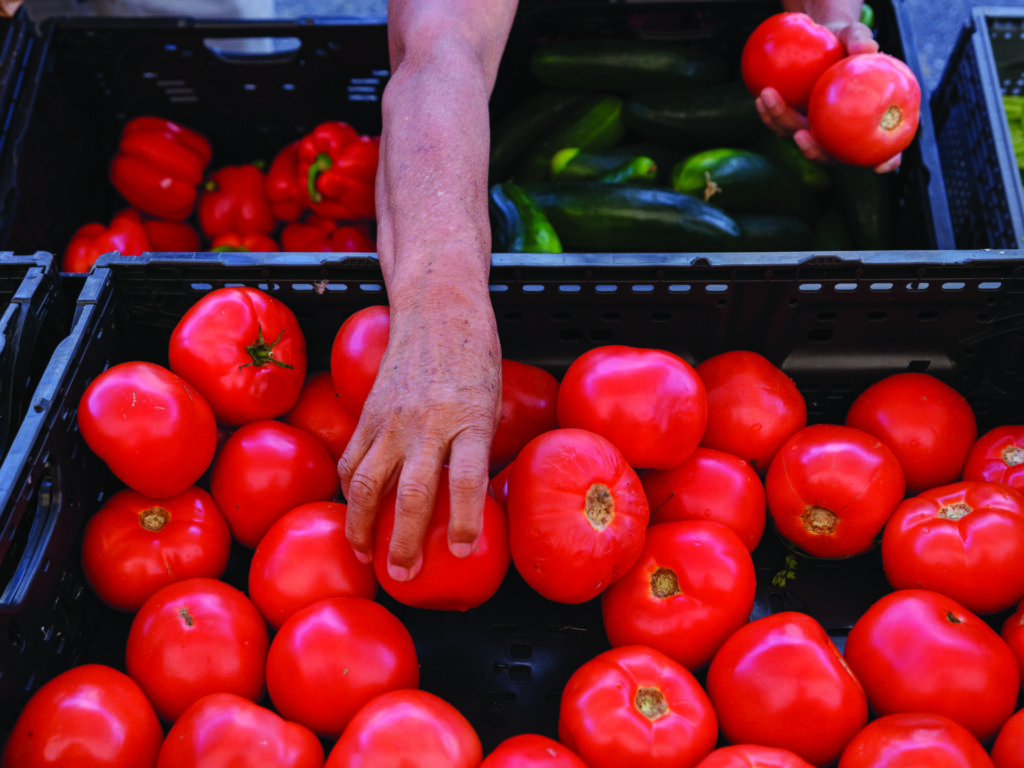
“Fresh food is more nutrient-dense and more dignified,” Sellars says. “There’s more feeling of being cared for in receiving fresh food than receiving a steady diet of canned goods, boxed goods, and shelf-stable foods.”
It wasn’t so much the wind gusts, ranging from forty to 100 mph in some areas in western North Carolina, but the relentless rainfall that swelled and shattered the region’s abundant waterways. Serene streams and creeks turned into rivers. Rivers became towering, raging monsters, deep and wide enough to swallow neighborhoods and towns whole.
Helene was worsened by a precursor rainfall event that began two days before the tropical storm’s arrival. The National Weather Service reported 13.21 inches of rain in Swannanoa between September 24 and 28, 2024, while 30.78 inches were recorded in the town of Busick, about an hour from Asheville.
The Swannanoa River, which cuts through Black Mountain, Swannanoa, and Asheville, rose to a record 27.33 feet. The French Broad River rose to 24.67 feet in Asheville, and the city’s storm-damaged water system, fed by the North Fork Reservoir, was out of commission for several weeks. During the extensive repairs, residences, hospitals, restaurants, and other businesses were without running, potable water for up to seven weeks. The boil-water notice was lifted November 18, 2024.
More than 250 people died across Helene’s 600-mile path from the Big Bend of Florida to southern Appalachia, making it the deadliest hurricane to make landfall in the United States since 2005’s Hurricane Katrina, according to the National Oceanic and Atmospheric Administration (NOAA) and the National Weather Service. More than one hundred people died in western North Carolina alone, including victims of flooding and landslides. The total damage of the Helene-impacted areas was reported to cost $78.7 billion.
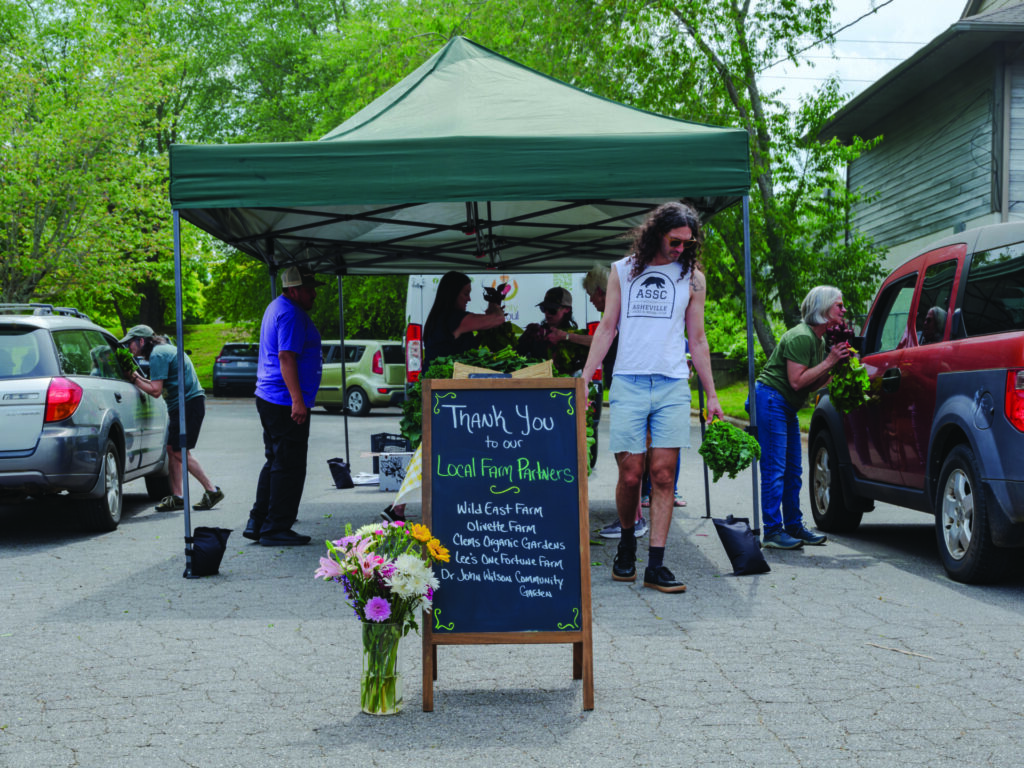
Bounty & Soul employs seventeen full-time and eight part-time staff. All were safe and accounted for in Helene’s aftermath, though some had been displaced or forced to evacuate their homes. Others were unable to come to work due to family crises. Two days after the storm, Casparian navigated washed-out roads and debris to drive to work. She arrived to find that some of her colleagues had beaten her there. In just forty-eight hours, those who were able to convene at the warehouse had already enacted an emergency food distribution plan.
“We had staff that were displaced, evacuated, and—come hell or high water—they were there,” Casparian says.
Just three months earlier, Bounty & Soul had moved out of its former headquarters and into a much larger facility in Black Mountain, which became an essential hub of relief activity. In anticipation of the storm, the team placed weighted plastic coverings and sandbags along the warehouse’s exterior. This protected the equipment and the walk-in coolers’ compressors, which kept the fresh produce refrigerated. The building, distribution vans, and mobile farmers market truck were spared from flood damage.
The new hub’s larger capacity allowed Bounty & Soul to meet the uptick in food demand that followed the storm. Soon after the rain stopped, the Bounty & Soul employees who could make it to work managed to contact some of its more than seventy farm and garden partners. Then, traveling in pickups and vans, they purchased and gathered pre-storm-harvested produce and delivered it to restaurants and other community partners offering prepared meals to those in need.
They partnered with food-relief agency World Central Kitchen (WCK) to provide locally sourced produce and helped deliver about 2,000 meals daily by vehicle and on foot to doorsteps or central meal drop-off points, like churches and community centers, in nineteen neighborhoods and towns outside Asheville, including Swannanoa, Black Mountain, Fairview, Old Fort, and Barnardsville.
By the fourth and fifth weeks, Bounty & Soul’s team went door-to-door and located 184 of the 220 households in its home-delivery client groups, resuming regular services. When cars couldn’t access streets and bridges, they reached residents in storm-impacted neighborhoods on smaller vehicles like ATVs or even by foot.
“When supply-chain disruptions occur, what is critical is having a local food system that functions in order to be able to keep the community fed,” says Meghan Baker, a North Carolina Cooperative Extension agent who works with small farms.
Amid the storm, Ingles, Swannanoa’s primary grocery store, closed. More than eight months later, it remained closed, its future uncertain. Its marquee directed customers to the next closest store in Black Mountain, a nearly six-mile drive. Absent a reliable public transportation system, the distance is burdensome for those without a vehicle or money for gas. Sellars says the Ingles’ closure leaves gas-station convenience stores and a small bodega inside a restaurant among the few food retail options in Swannanoa.
“It has caused us to think even longer-term about our mission and how we can participate in the recovery,” Sellars says. Less than a year after Helene, Bounty & Soul is already preparing for future crises.
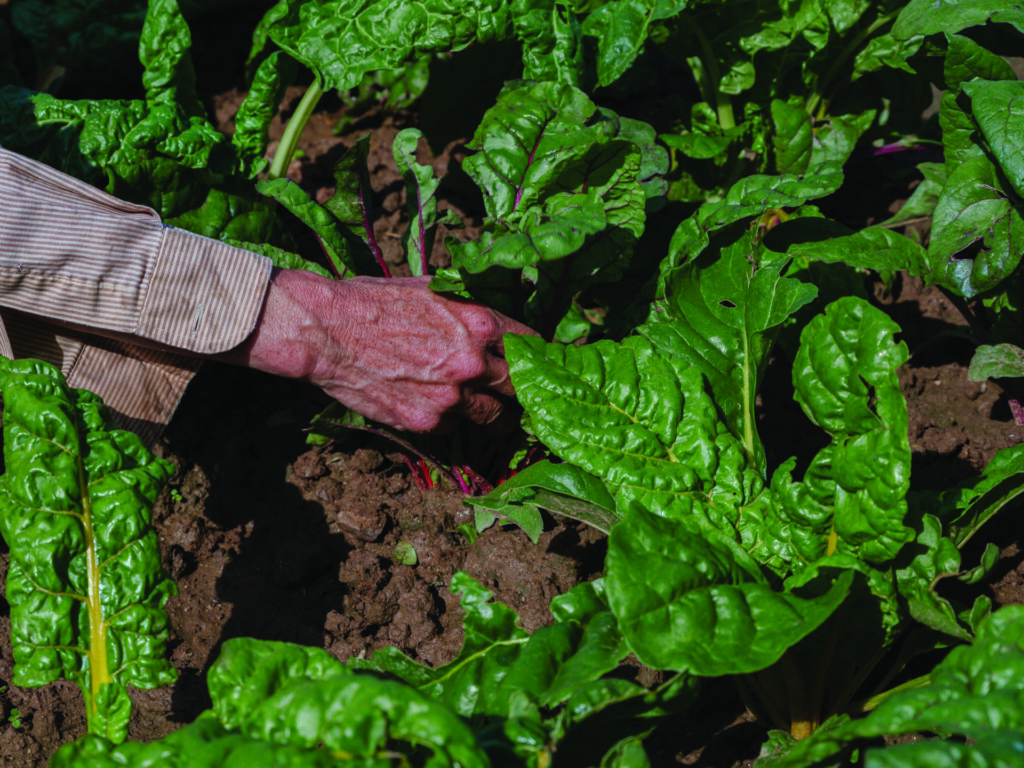
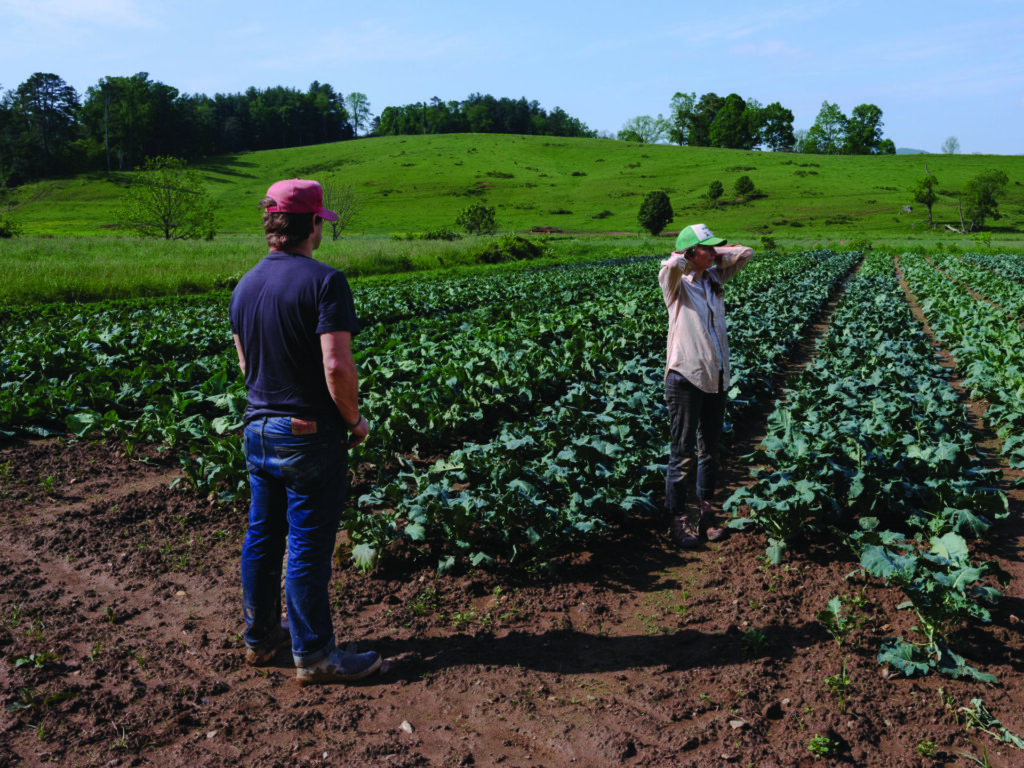
So are the many small farms in the area. Gaining Ground Farm, a vegetable farm in Leicester, an unincorporated community about ten miles northwest of Asheville, grows twelve to fifteen acres of diverse crops annually. These are sold directly to retail customers, restaurants, and other institutional clients, including Bounty & Soul. The farm operates a roadside “pay-as-you-can” food stand, sells at farmers’ markets, and offers a weekly, seasonal community-supported agriculture (CSA) subscription program.
Gaining Ground co-owner Aaron Grier says that about 60 percent of their fields flooded. More than two feet of water moved through the fields, destroying their fall crops. It took about two weeks for the fields to be cleaned and dried up enough to begin reseeding.
While Helene was exceptionally devastating to the region, Grier says that Gaining Ground was worse off when it was directly impacted by flooding during Tropical Storm Fred in 2021. Then, the farm took on eight to nine inches of rainwater in one day, as compared to Helene’s rains, which were spread out over a few days.
Grier says that for about a month after Helene, Gaining Ground suffered a “bizarre” dry spell. This spring, the crops were stressed by irregularly high temperatures, with some attempting to go to seed a month earlier than anticipated. “We are definitely seeing less predictable weather,” he says. “It’s unsettling.”
After facing multiple major weather-related events, Grier knows that his farm is vulnerable to future flooding. He has come to accept it as part of doing business. After Fred, he participated in a local farmers’ group that discussed and addressed issues like climate change, but no concrete resolutions emerged from the gathering. But based on their experiences in Tropical Storm Fred and Hurricane Helene, Grier believes his team is better equipped to handle future floods. They know how to prepare by clearing drainage paths, moving valuable equipment to safer areas, and readying generators.
Elsewhere in the region, topsoil from many Helene-impacted farms was stripped away and required extensive cleanup and rehabilitation. In high-risk areas, like near wastewater treatment plants and septic systems, soil and water testing were encouraged to assess fertility and potential contamination, such as sewage, microbial pathogens, heavy metals, and other chemicals. But not all farmers can afford this step.
Grier says that, although the Farm Service Administration and local farming agencies had been helpful after Fred by providing recovery funding and assisting with cleanup, Gaining Ground hadn’t received assistance for Helene damage as of March 2025. Insurance isn’t an option, he says: It would be too time-intensive and not worth the cost to determine the value of each row of crops, as Gaining Ground is a rotating, diverse farm that constantly changes products.
Restaurant closures were another significant Helene-induced blow for western North Carolina farms like Gaining Ground, which have a long-established farm-to-table relationship. In Asheville, many restaurants closed for weeks and months amid the citywide potable water outage. Some never reopened.
Gaining Ground supplies produce to several Asheville restaurants, including the James Beard Award–winning Cúrate. The restaurant was closed for several weeks as it became a commissary kitchen for WCK.
“A good amount of our businesses is restaurants, and that took a huge hit, and that is still rippling,” Grier says.
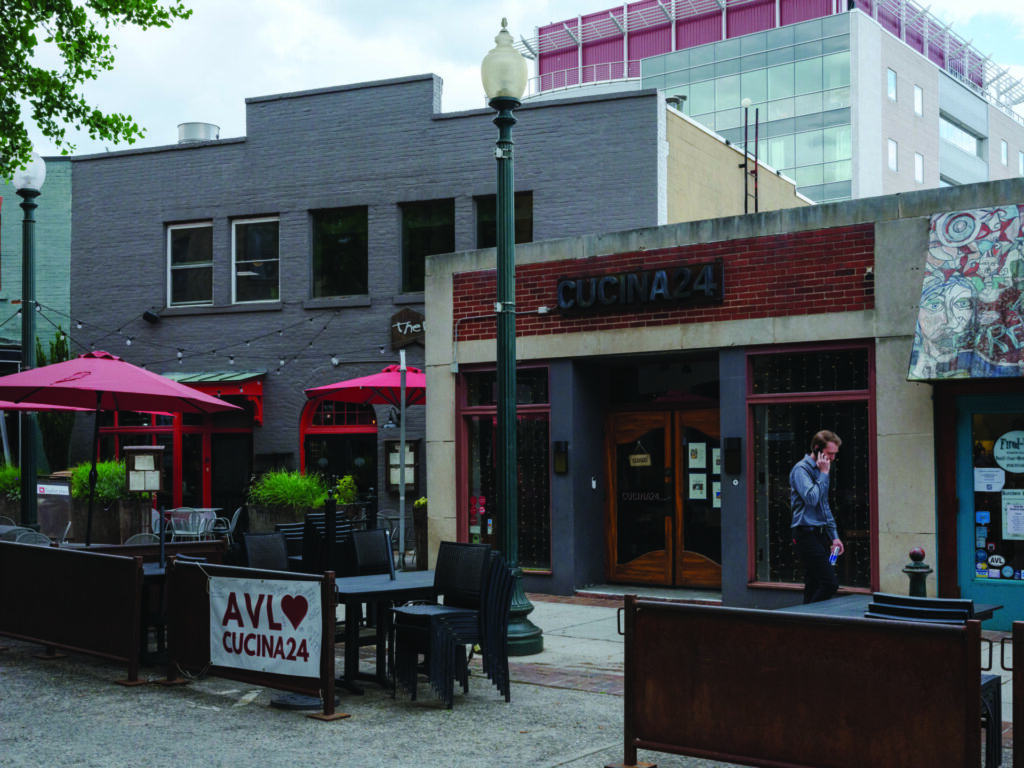
Two of his major Asheville restaurant clients, Rhubarb and Cucina 24, have permanently closed since Helene, albeit for different reasons. Rhubarb chef-owner John Fleer announced his plan to slow down after a decades-long career, but the storm expedited the decision. Brian Canipelli, chef-owner of Cucina 24 and Contrada, died after suffering a medical emergency during dinner service in February.
Grier says, depending on the season, Gaining Ground may supply twelve to sixteen Asheville restaurants, which accounts for about 40 percent of the farm’s revenue.
Grier says the farm’s restaurant sales haven’t rebounded as of spring 2025. The mounting challenges are exacerbated by the political climate, restaurant industry fatigue, and the lingering effects of the Covid-19 pandemic.
“Emotionally, we are fairly lost at times, trying to figure out what the landscape’s looking like,” Grier says. “We’re adjusting, knowing this year’s going to be a heavy lift.”
More than eight months after Helene, portions of western North Carolina’s landscape remain in shambles.
This spring, along Highway 70 in Swannanoa, which connects Asheville to Black Mountain, buildings and homes remain ravaged and vacant from the Swannanoa River’s floodwaters. Silt, dirt-covered riverbanks, yards, and parking lots are littered with downed trees, abandoned vehicles, and other debris. It’s a glimpse and lasting evidence of the tragedy as communities wait for more federal funding and other financial support.
“There are people’s businesses that are lying in complete disarray that look untouched,” Sellars says.
She says that while main roads have reopened, some tertiary roads and bridges have not, or are temporary structures.
“The entire community, not just Bounty & Soul, is learning that disaster readiness is key,” Sellars says. “Everyone is taking away that we need to invest time and forethought and resources.”
Bounty & Soul is centered on community partnerships and volunteers, Sellars says, which helped make it impactful during the initial crisis. The nonprofit sector shoulders the Helene recovery, and Bounty & Soul depends on donations and other philanthropic support.
Before Helene, Bounty & Soul’s purchasing budget for local food directly from farm partners was $8,000 per week, which Sellars says gradually increased through 2024. After Helene, it increased to $20,000 per week.
The nonprofit has reached full capacity at its facility in less than a year. Since the fall, its fleet has grown from seven to nine vehicles, including a new refrigerated box truck and a van they’d planned to buy before Helene. An electric refrigerated van donated by Whole Foods was expected this spring.
Sellars reported a 176 percent growth in Produce to the People market attendance within five months of the storm as compared to the summer of 2024. The program reaches participants across Buncombe, Henderson, and McDowell counties. Three weekly markets are in Swannanoa and two in Black Mountain. On average, Black Mountain’s Thursday market serves 480 households.
While Bounty & Soul requires more infrastructure, people power, refrigeration, and logistics, Sellars believes the investment is worth it to achieve better health, well-being, and food security in the community.
Tiana Kennell is a food writer and an Asheville, North Carolina, resident who reports on Southern foodways and the restaurant industry. The Michigan State University alumna has more than twenty years of journalism experience dedicated to communities and issues.
SIGN UP FOR THE DIGEST TO RECEIVE GRAVY IN YOUR INBOX.