For the People Last service at Weaver D's
Text and Photos by Olivia Bowdoin
We are living in an era of change accelerating so rapidly that it is easy to miss what’s being left behind. And sometimes what’s left behind played a vital role in shaping our identities both as individuals and as members of a community.
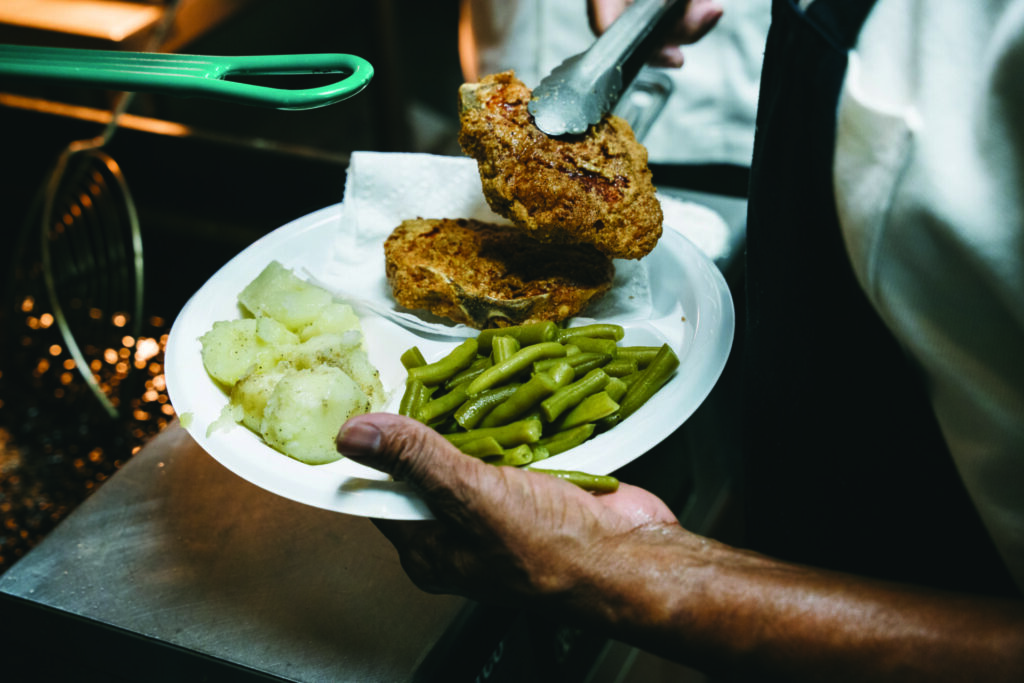
Some of these treasures fading into extinction are the vibrant and inviting meat-and-threes that once proliferated the South. Weaver D’s Delicious Fine Foods was one of these cherished cultural fixtures. More than a reliable place to find perfectly crisp fried chicken, collards, beans, and corn bread that you could wash down with sweet tea, the soul food kitchen represented a gathering place, almost sacred in its communal spirit. Founder Dexter Weaver became a patron saint to the culture of Athens, Georgia, feeding the poor and welcoming both the elite and the less fortunate.
“I kept the people in mind,” he once told me. “You gotta have a dollar aisle.”

Weaver’s iconic catchphrase “Automatic for the People,” inspired the title of post-punk band R.E.M.’s massively successful Grammy-nominated 1992 album. Most of the band’s fans knew R.E.M. was from Athens, but probably didn’t know much about Weaver, let alone meat-and-threes. But the album took Weaver’s motto global. Weaver D’s received recognition as an “American classic” from the James Beard Foundation in 2007, for special attention to its timeless appeal and reflection of the character of its community. Despite these accolades, Weaver never sought fame, fortune, or expansion. He just kept doing what he does best: service.
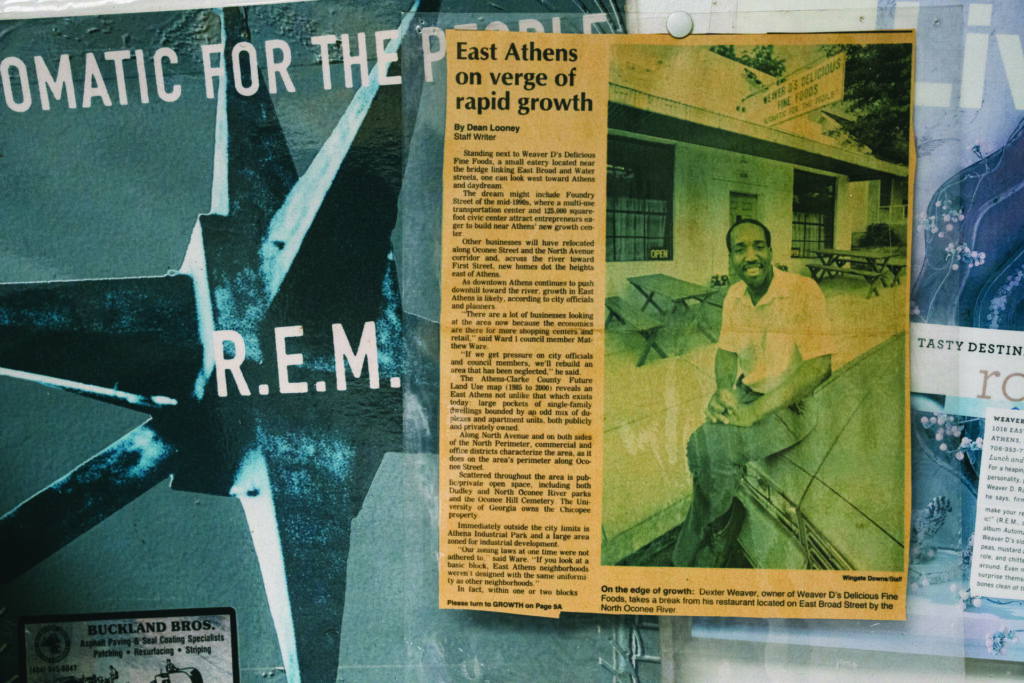
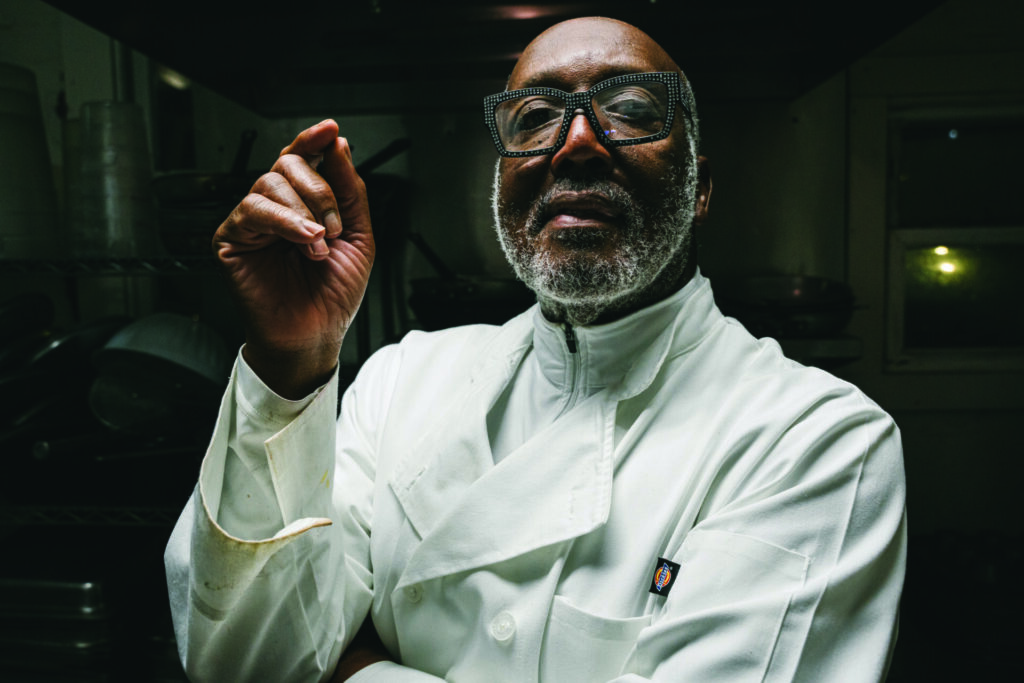
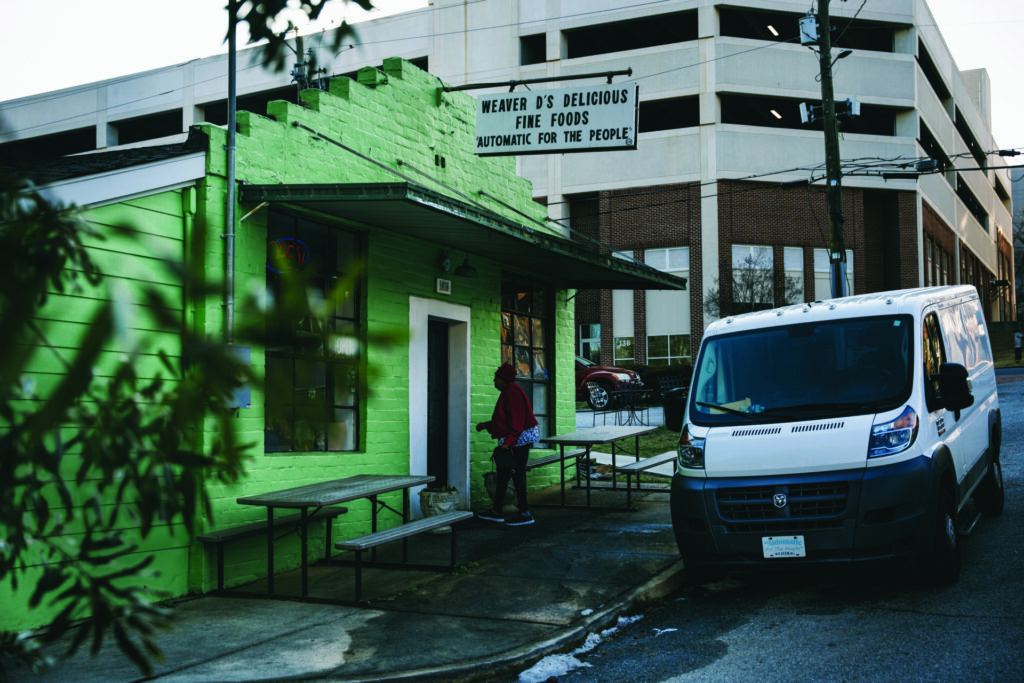
For forty years, the beloved little restaurant kept its doors open as the landscape of Athens shifted all around it. “Someone told me I’m like a character out of a Dr. Seuss book,” Weaver told me, referencing the Lorax, a well-known children’s book in which rapid development suffocates a place once brimming with life and imagination. In its latter days, Weaver’s memorable bright green building was indeed reminiscent of the quirky homes of Dr. Seuss folklore, with towering luxury apartments obscuring its visibility.
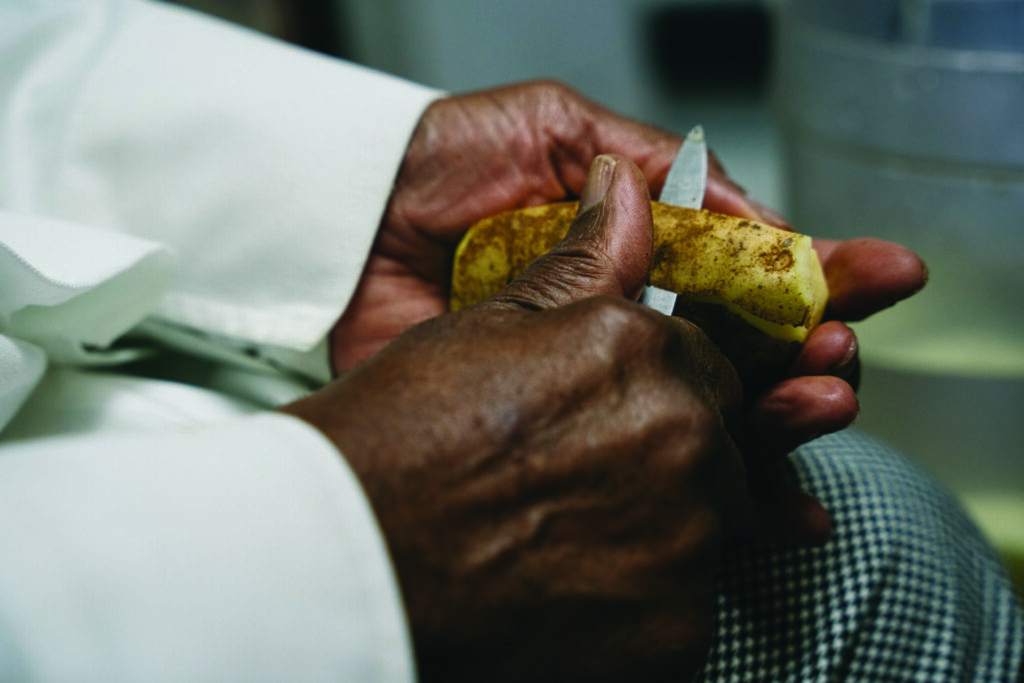
At seventy-one years old, Weaver finally made the hard decision to close for good late February of this year, posting signs around his restaurant that urged customers to “please respect his retirement.” While documenting the last few weeks of service, I noticed his hands shook as he peeled potatoes. Some days, he could barely stay on his feet. Four decades of cooking and supervising in the kitchen and playing host to a steady stream of loyal customers and newcomers had taken its toll on his health and stamina, though not his will.
He said he was not coerced into closure, and that he eagerly sold the property to local restaurateurs who are developing it into a trendy chicken joint called Hot or Not Chicken Co. Joe Nedza, a University of Georgia alum, is the owner of several Baddie’s Burger Houses across Athens, Watkinsville, and Gainesville. This new venture in Weaver’s old space won’t be a traditional meat-and-three, but a take on another now-iconic Southern dish, Nashville hot chicken. It may not be automatic for the people, but at least there will be sides.
After his retirement in late February, Weaver held his first annual food and entertainment festival on Saturday, May 16, to keep the soul food legacy alive in the Athens community. Other food vendors participated, but the highlight was Weaver: he resurrected his entire restaurant menu, one last time.
This is not a sad story, but the passing of a baton. Yet, the disappearance of a place like Weaver D’s leaves a gap that cannot be perfectly filled. Blair Dorminey, an immigration attorney who was a regular since 1996, called it “the most genuinely integrated place in Athens.” She mentioned a small donation box near the counter invited those of means to contribute; if someone couldn’t afford to eat, Weaver fed them anyway. “I’m really gonna miss him,” Dorminey said. “I don’t know what I’m gonna do.”
Another regular, Katrina Scott, drove thirty minutes from Winder to Athens on February 3, just weeks before closing, to savor one last meal. She said she couldn’t think of any place that would replace Weaver’s that was close, both in distance and flavor.

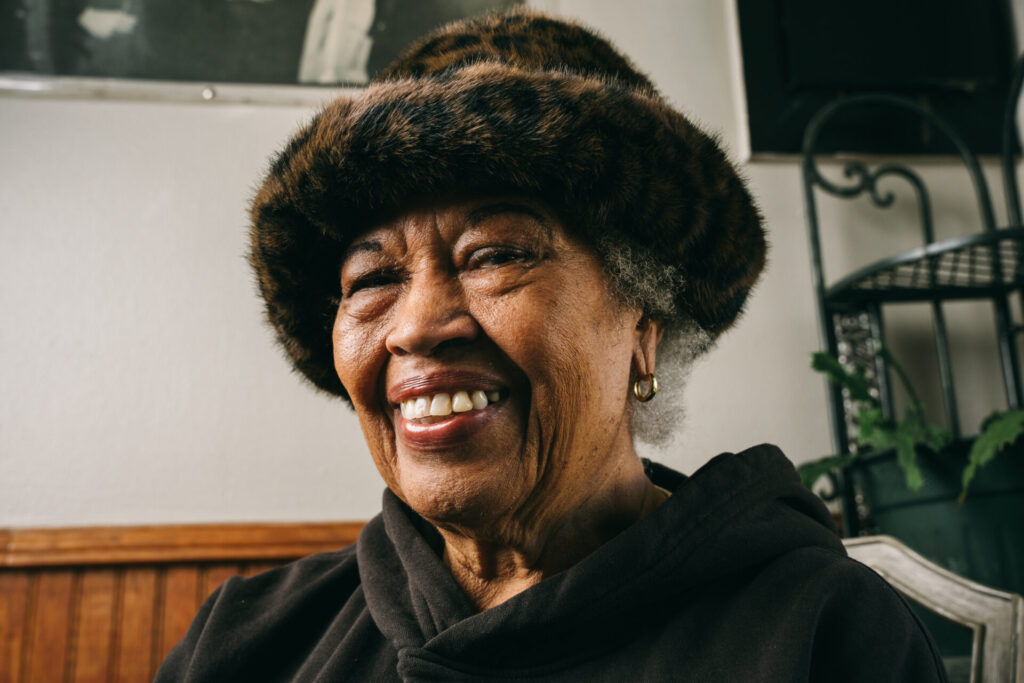
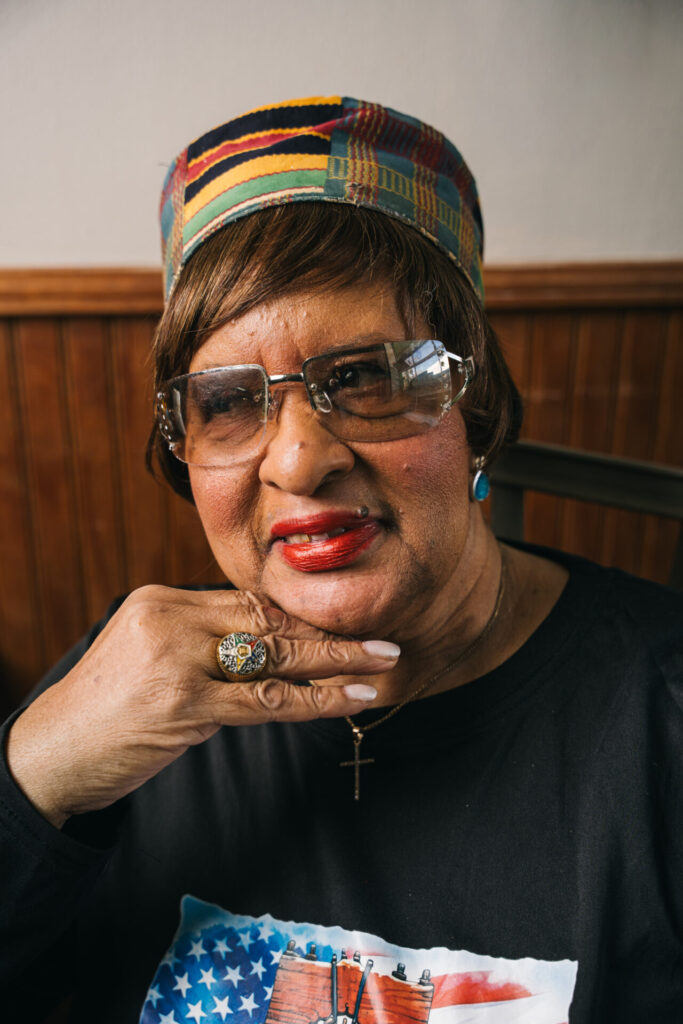
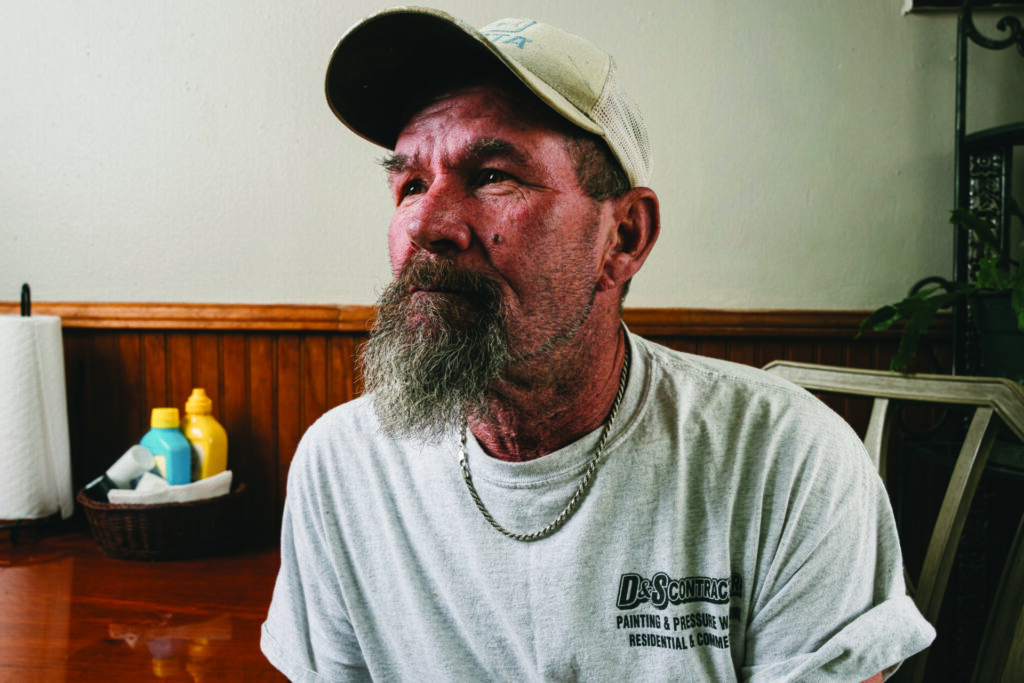
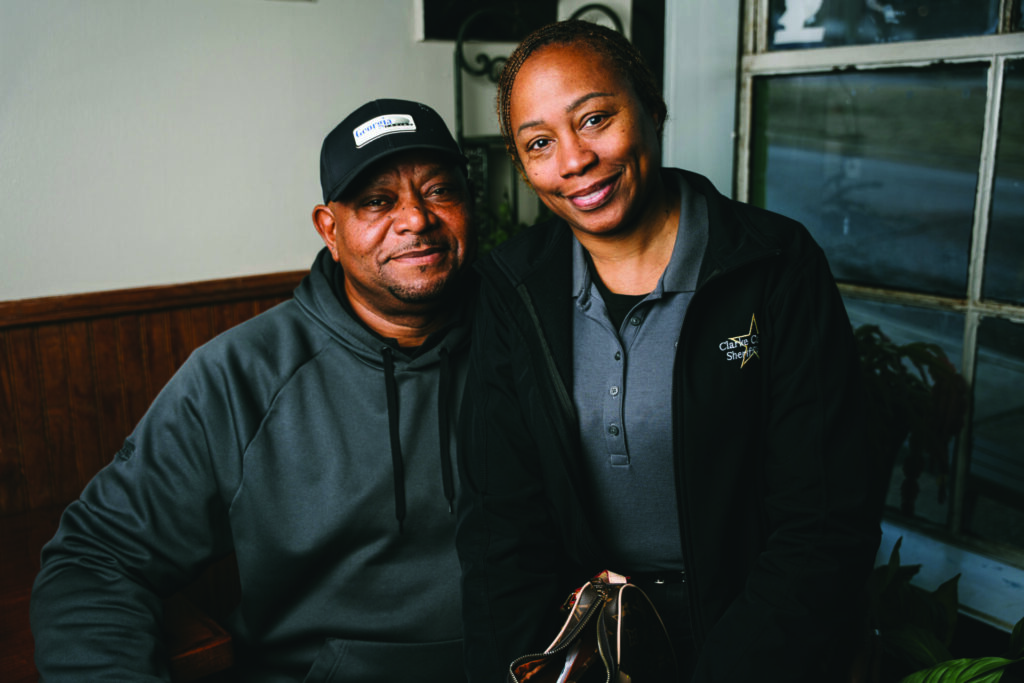
Meat-and-threes once filled the South because they met a need for quick, affordable food that tasted like home, a common table where laborers, newly migrated from farms to cities, could commune. Over the last sixty years, with the rise of convenience meals and fast food, what we eat, where we eat and even whom we eat with has fundamentally changed. Rather than sitting at group tables with strangers, we often eat alone, whether in our cars, our homes, and sometimes restaurants. What will never change is the human need for a gathering place, somewhere to come and feel seen, known, and cared for.
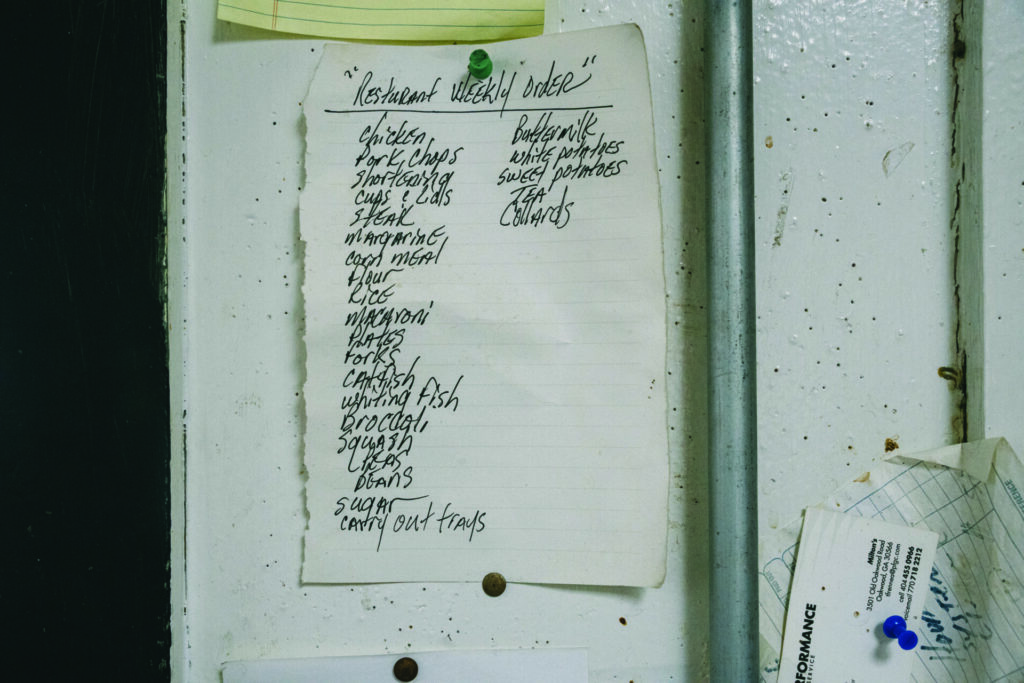
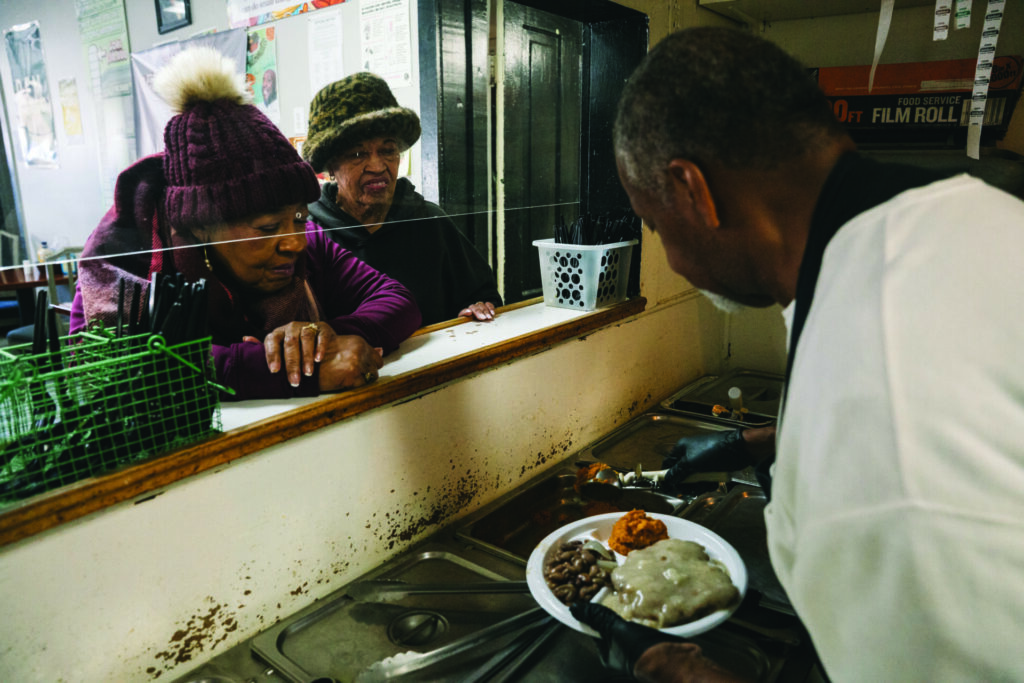
In Southern prayers, we often ask God to bless the hands of those who prepared a meal, a recognition of not only the ingredients, but also the labor it took to fill our plates. May the humble hands of Dexter Weaver never be forgotten, nor ever fully replaced.
SIGN UP FOR THE DIGEST TO RECEIVE GRAVY IN YOUR INBOX.