
Every Saturday, rain or shine, the parking lot of Saint John’s School in Central Houston transforms into the Urban Harvest Farmers Market. Hailed by the Chronicle as the “meeting place” of Space City’s food scene, here James Beard winners can be found planning menus alongside some 3,500 shoppers each week. One of the largest exchanges of its kind in Texas, beyond live music and a festive atmosphere, the draw is the market’s more than 100 vendors. With booths selling everything from farm fresh eggs and local mushrooms to tamales and chilaquiles sauce, its growth and offerings reflect the fabric and tastes of Houston whose metro now ranks amongst the most diverse in the US.
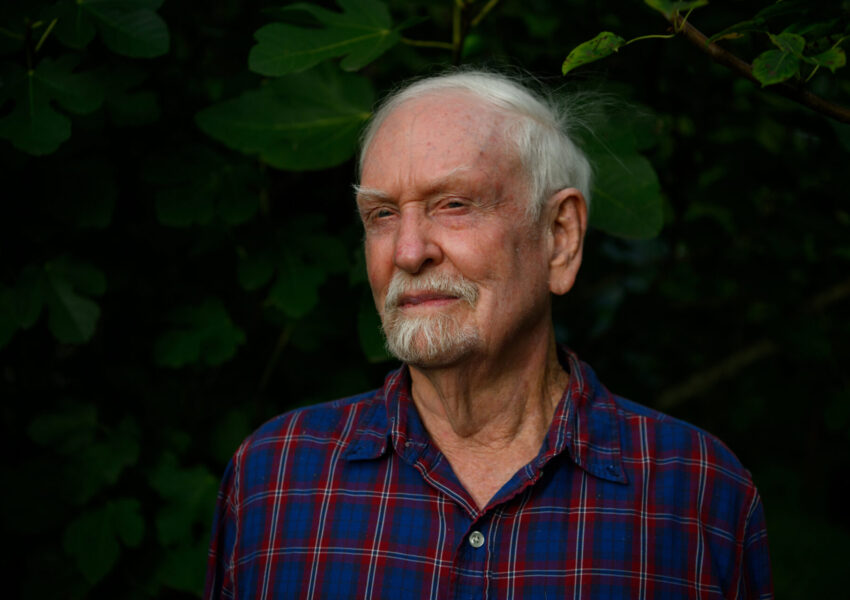
Launched with a mere seven merchants in 2004 as an outlet for local produce, its roots are largely owed to Dr. Bob Randall. A food systems anthropologist and permaculture evangelist, in 1994 he held a lunch for a small group of Houstonians to discuss the issue of food accessibility. Their meeting resulted in the founding of Urban Harvest which has worked for more than three decades to “cultivate thriving communities through gardening, education and access to healthy, local food.” Having started with an initial budget of $500 Dr. Randall argues their progress is metaphoric of permaculture itself. “Designing an organization is a lot like designing a landscape,” he says.
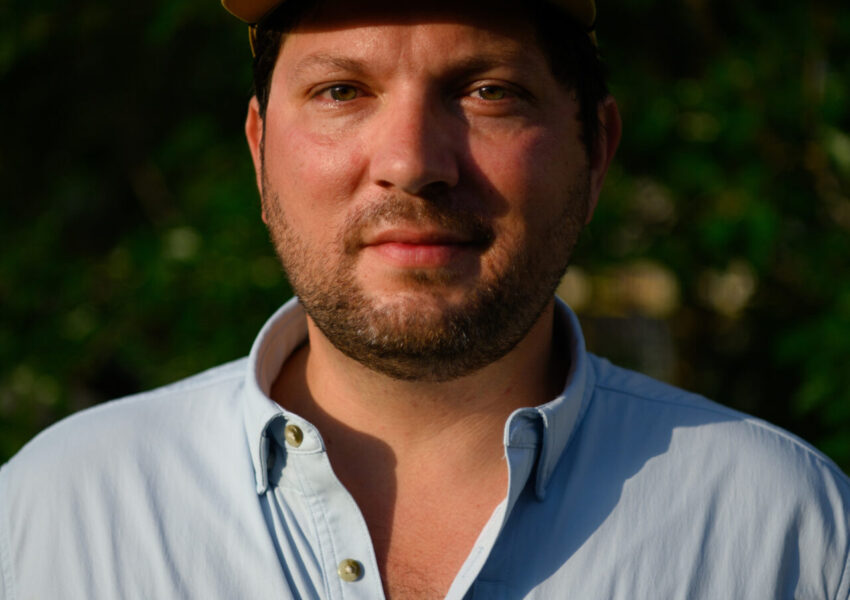
Another who echoes these views is Tyler Horne who managed the market for seventeen years. “I got to help grow a market that became more than a place to shop,” he wrote in his 2025 departure announcement. “It’s where small businesses found their start, relationships were built and community showed up week after week. I’m proud of what we built and even prouder of the people I built it with.”
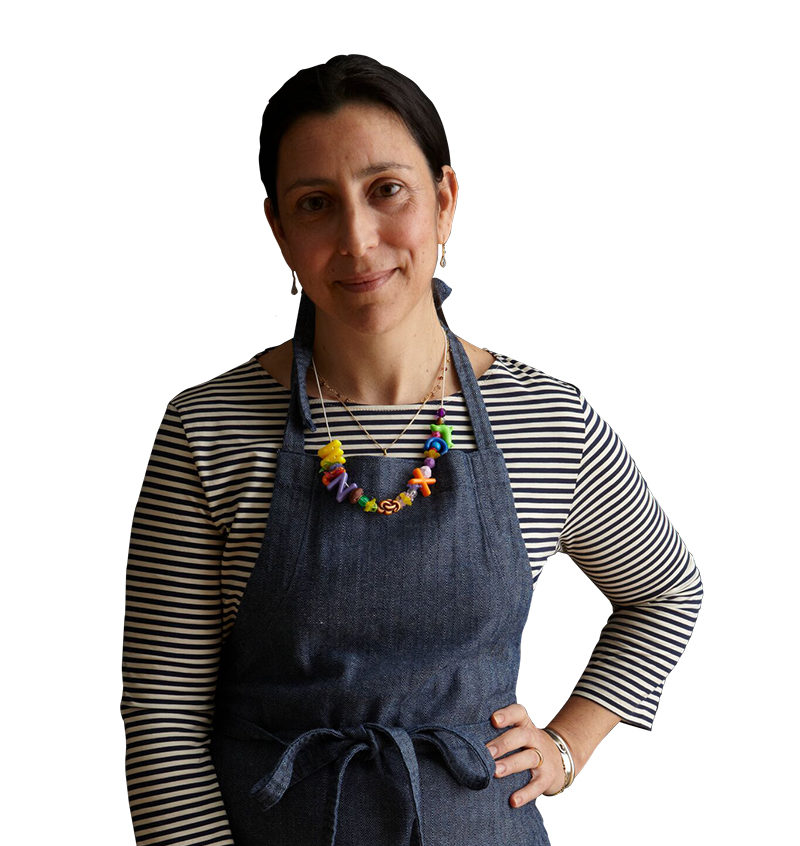
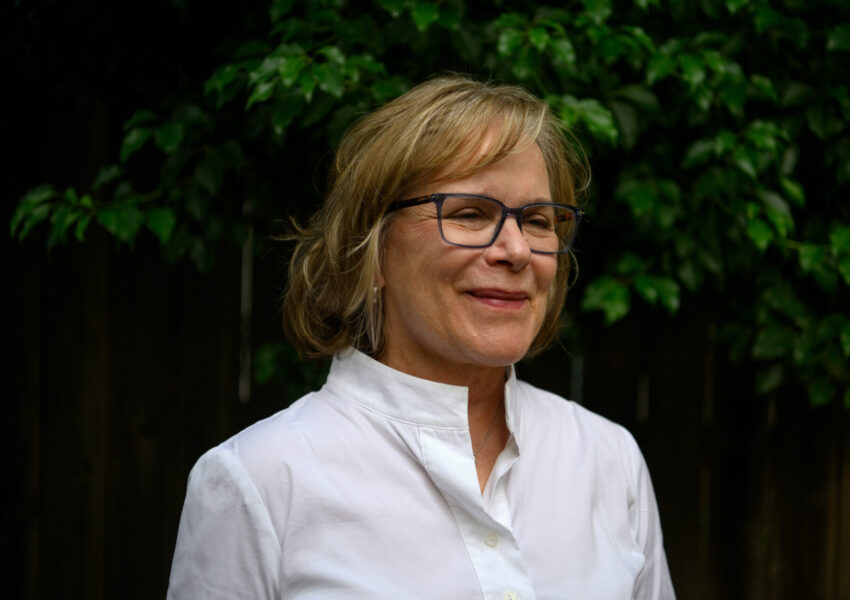
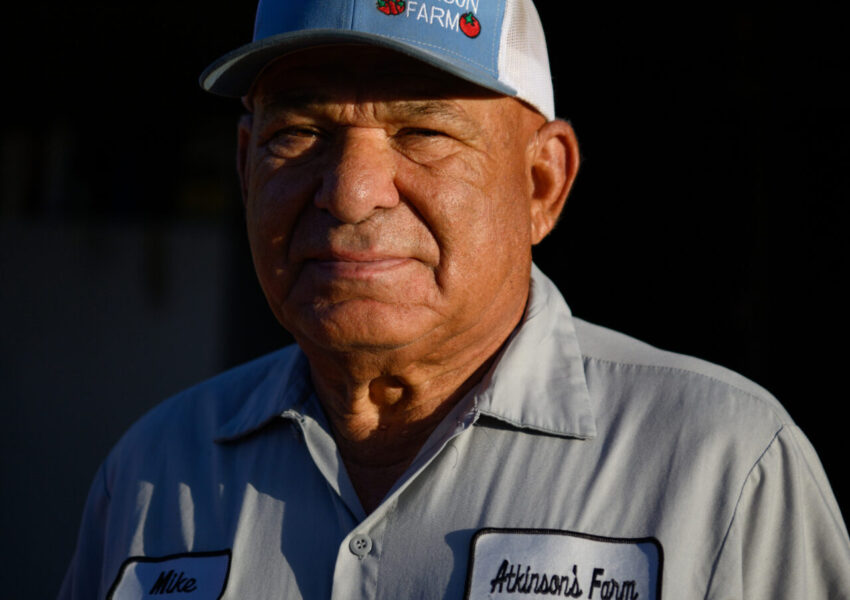
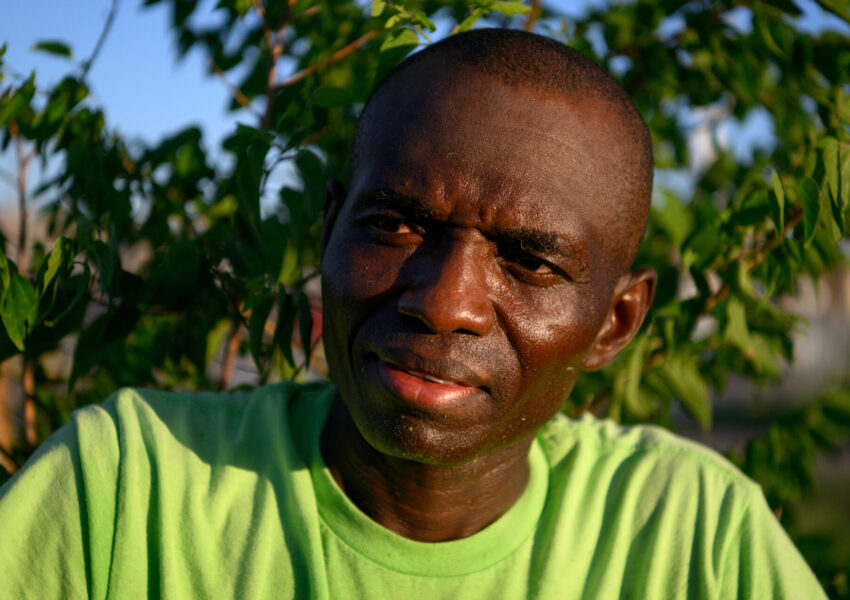
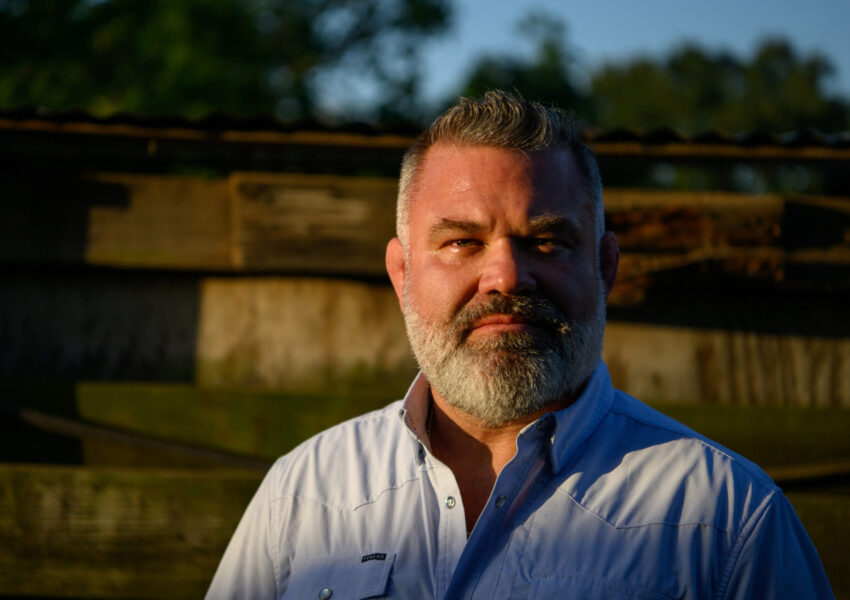
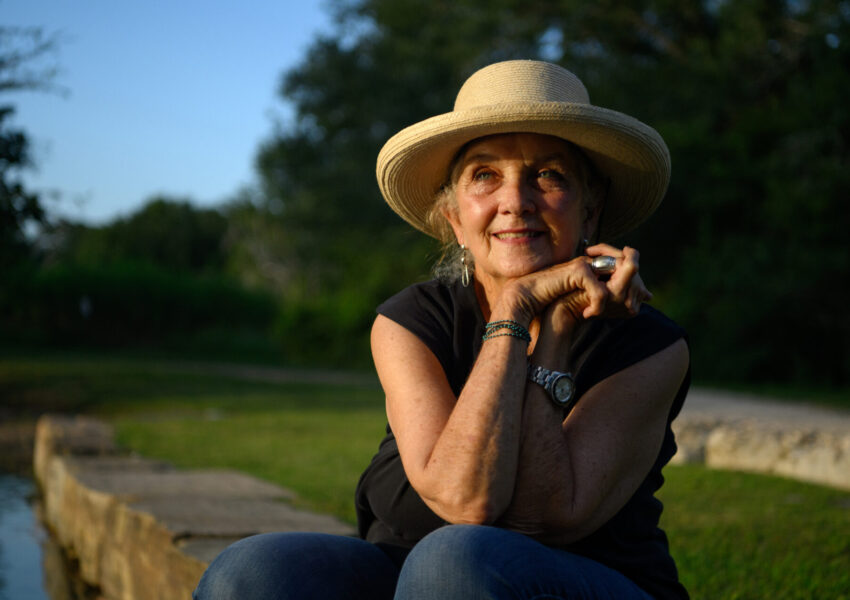
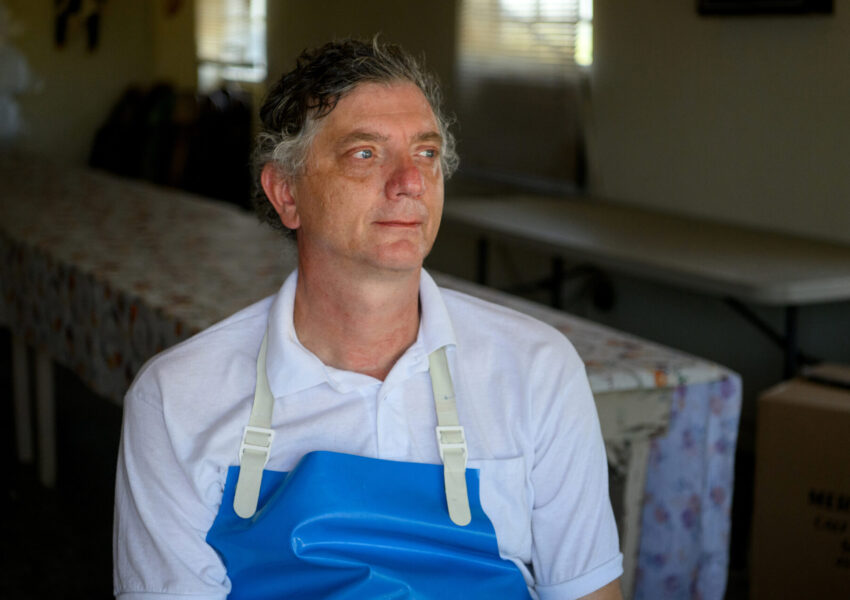
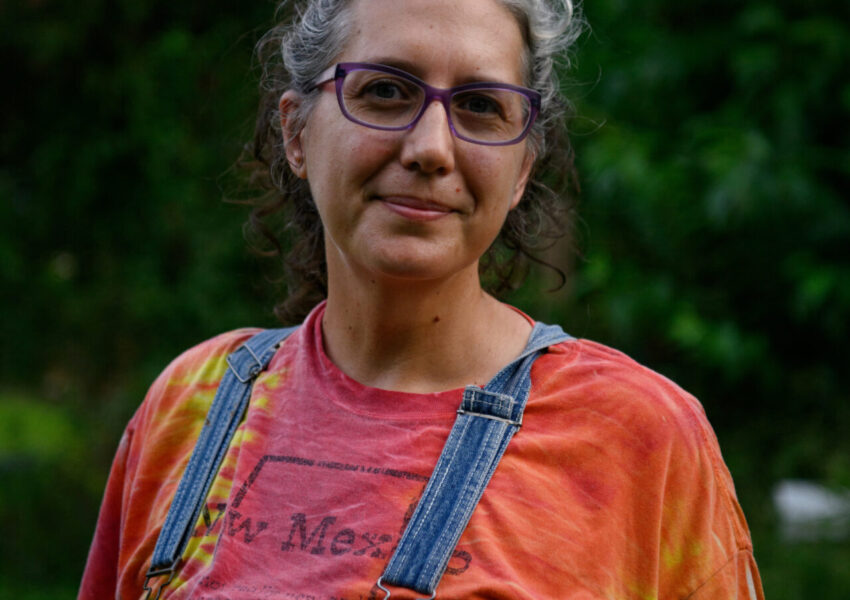
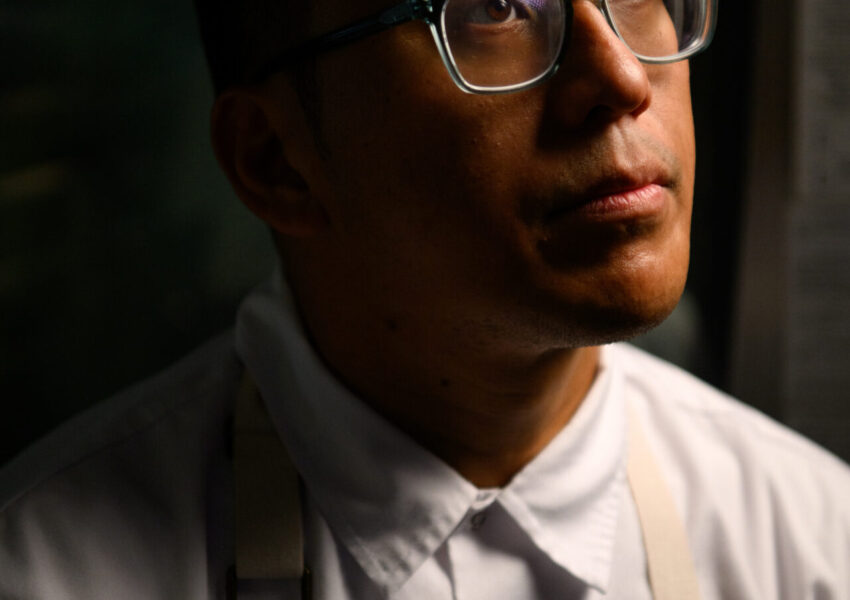
This collection uses the voices of a few of these very people to explore the past, present and future of sustainable food in Houston. Representing disciplines like ranching, farming, beekeeping, cheese making and street cooking, these narrators’ cultural backgrounds are as varied as their professions. Yet all possess entrepreneurial spirits that are informed by the rich, natural bounty of a metropolis that’s long been derided for its industry, sprawl and congested highways.
Beyond showcasing Urban Harvest and Houston’s green side, these stories reveal how the production and selling of food nourishes communities in ways that extend beyond kitchens. Like permaculture, which integrates human activity with natural surroundings, the market is an ecosystem whose strength rests in the multi-faceted talents and passions of its hard-working vendors. “Permaculture farmers believe in diversity,” says Dr. Randall. “Diversity is where you get connected. Diversity is where you get yield.”