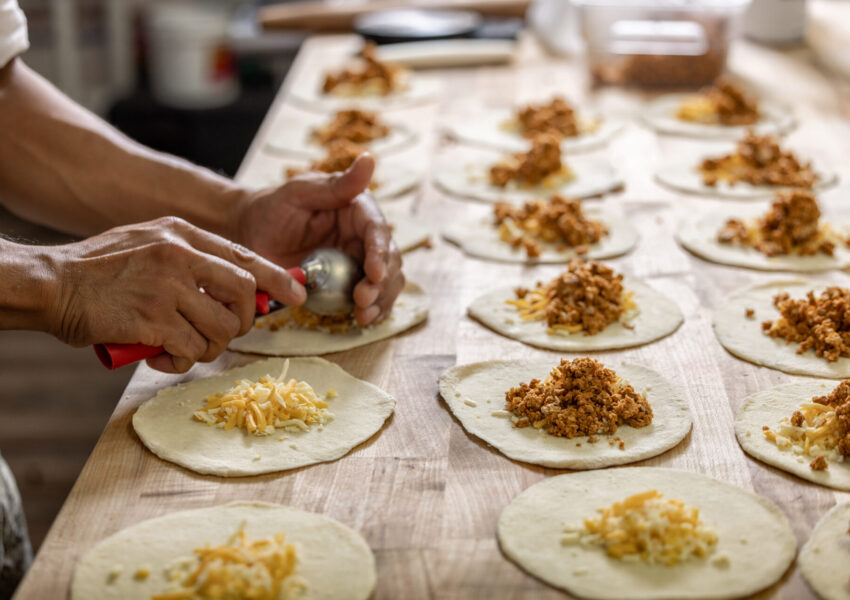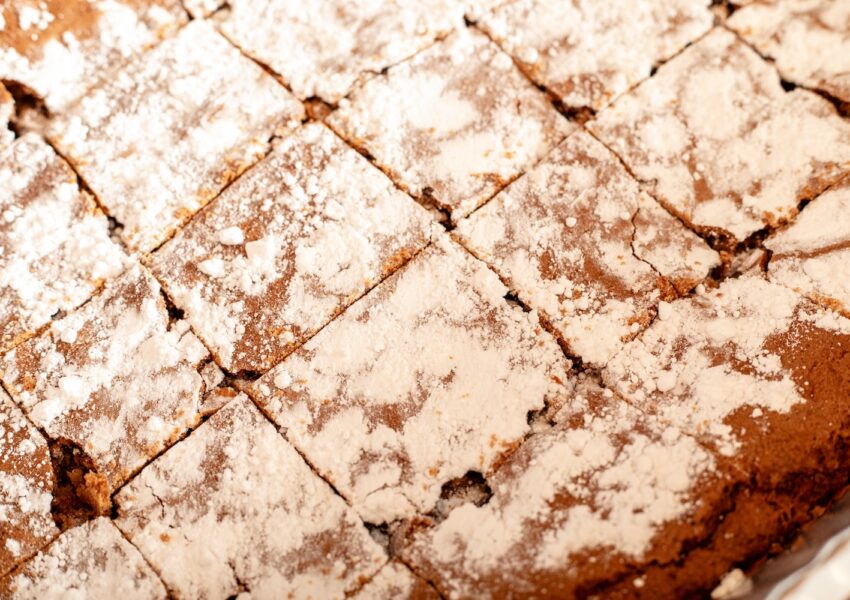


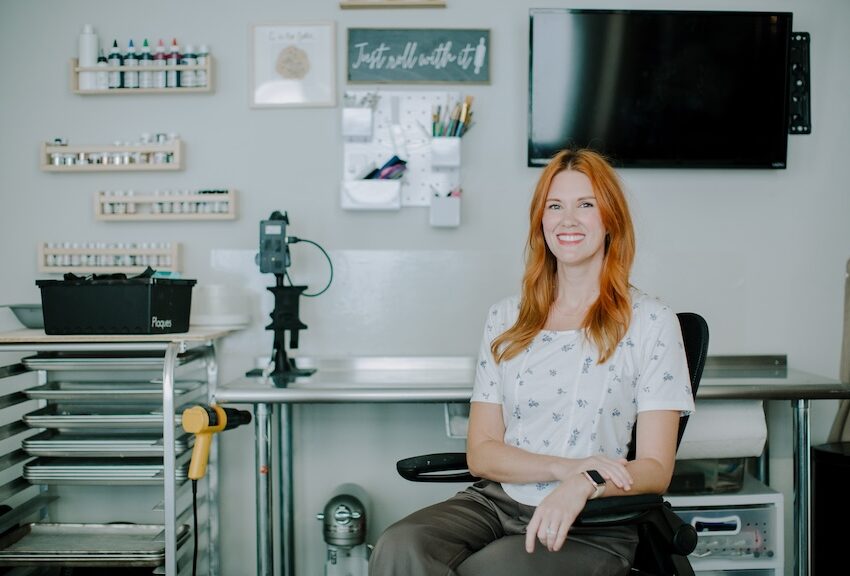


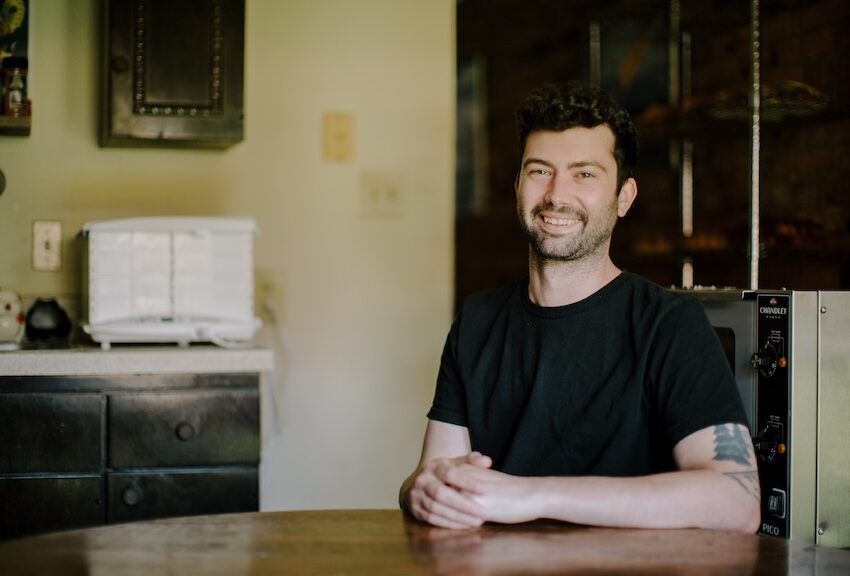
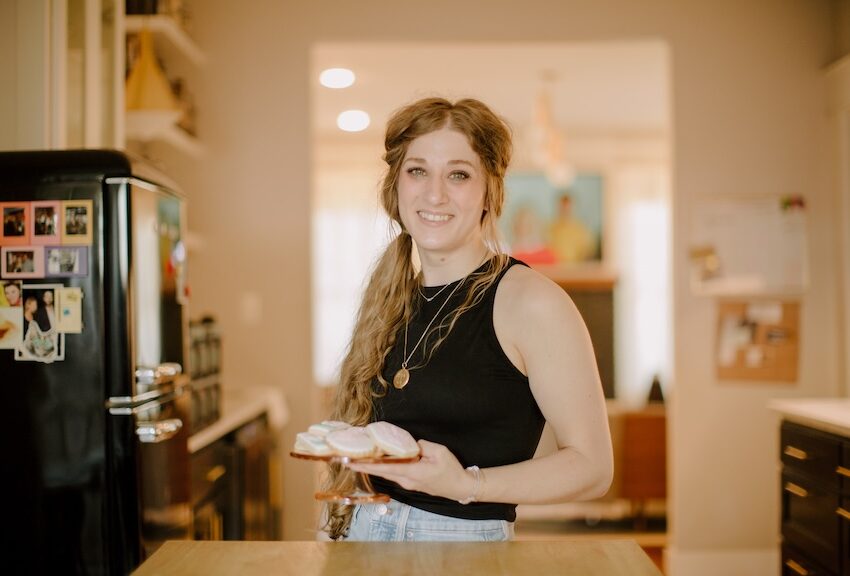
Of the jobs that can be done remotely—jobs that allow people to stay home, skip commutes, make sweatpants a key part of one’s wardrobe—baking likely is not the first to come to mind. Professional baking requires a commercial kitchen, with ample room and a sprawling array of industrial-grade appliances. It’s not something that can be overlapped with one’s personal space. Or at least that’s how it used to be. In Arkansas thanks to the state’s 2011 Cottage Foods Laws, which were expanded under the Arkansas Food Freedom Act of 2021, the red tape required to sell homemade products is all but nonexistent.
What does that mean in practice? It means that Arkansas bakers and makers can sell their products directly to consumers, without getting the green-light from health inspectors. It means that, if they choose to run a fully operational bakery in their kitchen—as virtually all the bakers in this project have done—they can do so. But oftentimes, it’s not so simple.
This way of life can seem like “sunshine and rainbows,” as Megan Chadwick described it. Through the hyper-curated lens of social media, the cottage baking lifestyle often appears to be an effortless amalgam of freshly baked loaves of sourdough and spotless kitchens. The reality is often anything but outside the frame of Instagram—the loaves that didn’t turn out, the toddler howling for attention. For those who have made the plunge to bake full-time out of their homes, there is a series of hard-met lessons about financial pressures, the double-edged sword of social media, and the threat of burnout.
In this oral history project, these Arkansas cottage bakers share their highs and lows, their goals, their dreams, and how they feel about the perennial question of when they’re finally going to open that brick-and-mortar.