They Were There to Serve Black-owned grocery stores may now be rare, but their history is rich.
Archival photography with text by Keon Burns
Prior to emancipation, Black-owned grocery stores were a rarity, but some enslaved folks managed plantation stores and other mercantile businesses. Such experiences primed freedmen to enter the grocery industry post-emancipation. By the end of the nineteenth century, grocery stores were the most common businesses owned by Black professionals. Black-owned groceries provided an alternative to shopping at white-owned stores, where Black patrons were frequently up-charged for inferior goods sold either spoiled or damaged. If they disputed debts owed to white store owners, there was the ever-present threat of violence. That intimidation forced Black patrons to adhere to demeaning racial etiquette. By contrast, Black-owned grocery stores provided a dignified shopping experience where Black patrons could walk through the front door comfortably and buy high-quality goods, often on credit, without fear of exploitation. Service to the community extended beyond fruits, vegetables, dry goods and deli meats. Black-owned grocery stores commonly served as multifunctional spaces: Some doubled as cafés, while others sold kerosene and gasoline. Other stores provided space for leisure and entertainment by transforming into informal bars, clubs, or casinos by night, offering respite from the harsh realities of Jim Crow. Across the South, these community stores were safe, one-stop shops.
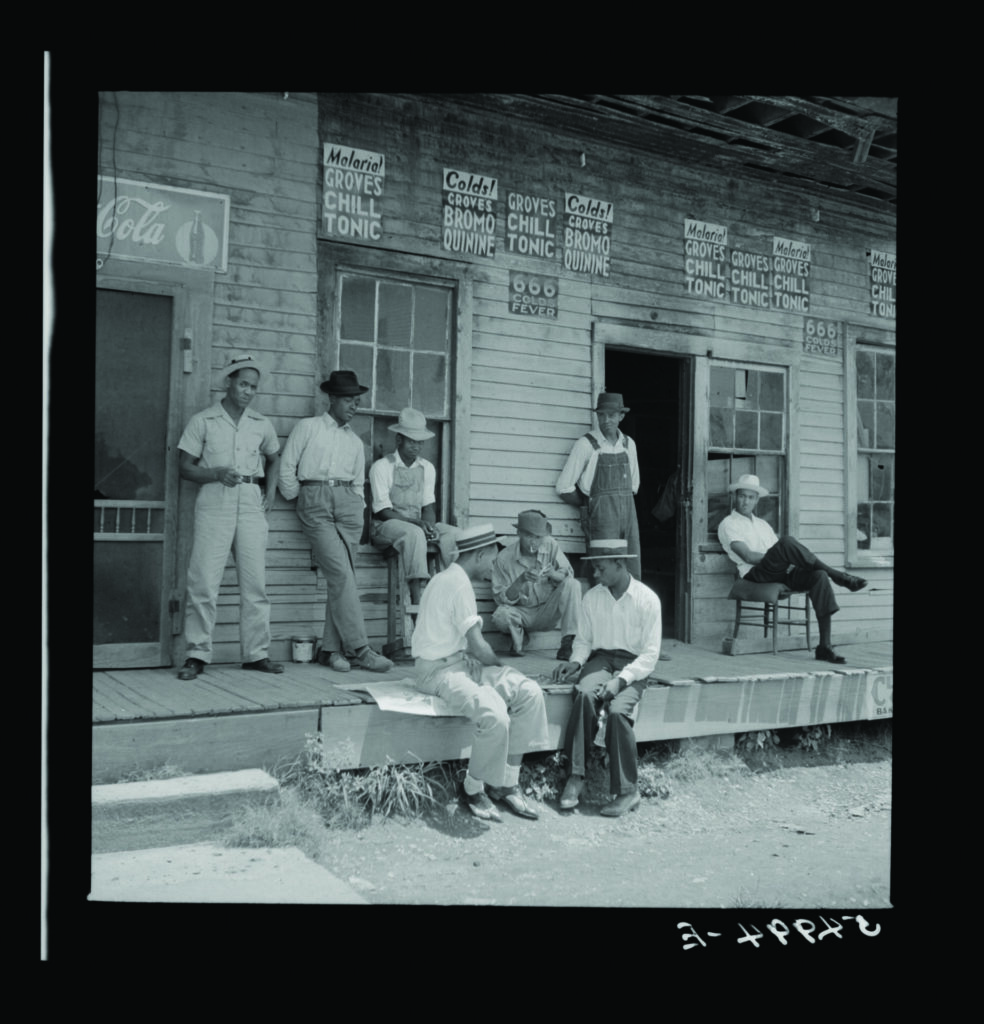
Film copy on SIS roll 15, frame 887.
During the Black freedom struggle in Mississippi, the development of Black enterprise was vital to addressing many social, political, civil, and economic inequalities facing the Black community. Black grocery stores provided a safe space for organizing and planning. Some businesses stored important documentation such as poll tax receipts, and grocers often served as community leaders and activists, spearheading voter registrations, boycotts, and protests. This carried risk for both patrons and store owners.
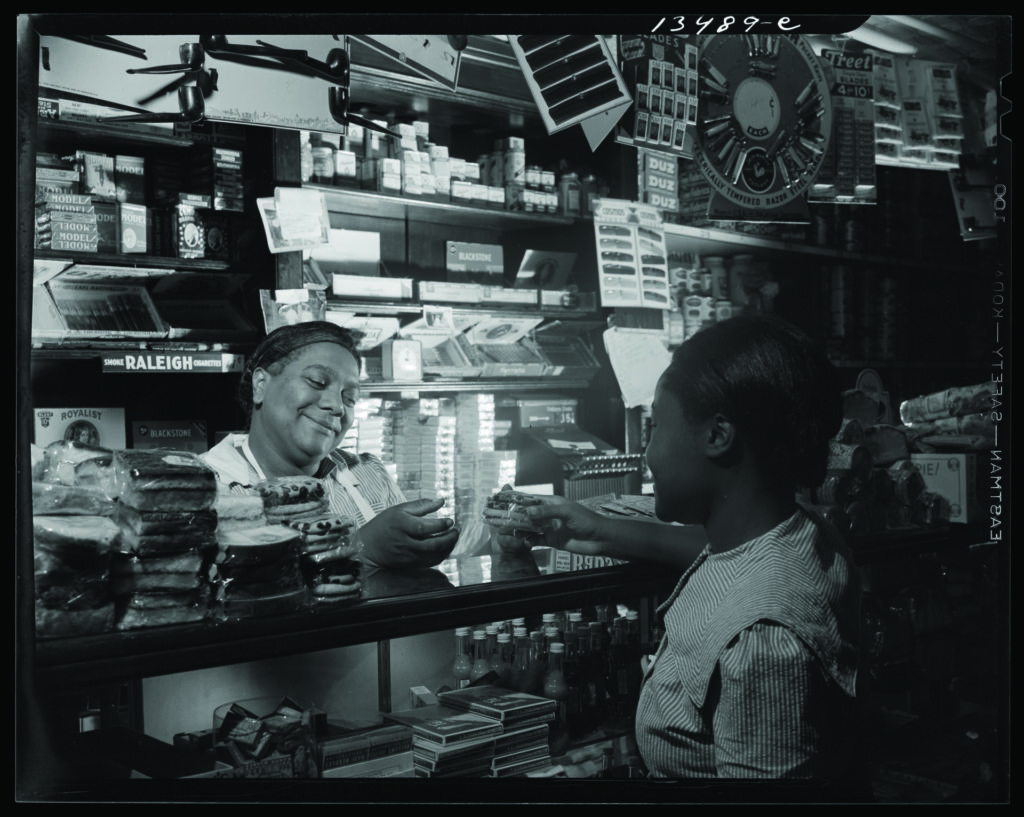
Gordon Parks for Farm Security Administration via the Library of Congress
The Black grocers who survived segregation and Jim Crow experienced a dramatic decrease in business shortly after integration. Black customers were now free to shop in stores alongside white customers in white-owned supermarkets that boasted lower prices and more diversity of inventory, but the reverse was not true. White customers did not begin patronizing Black-owned grocery stores in meaningful numbers. With fewer customers and more competition, a Black business tradition quickly faded. Now, those stores are rare. Those that remain struggle to survive. The era of Black groceries is mostly preserved through scholarship and in archival photographs that provide windows into an important part of American history.
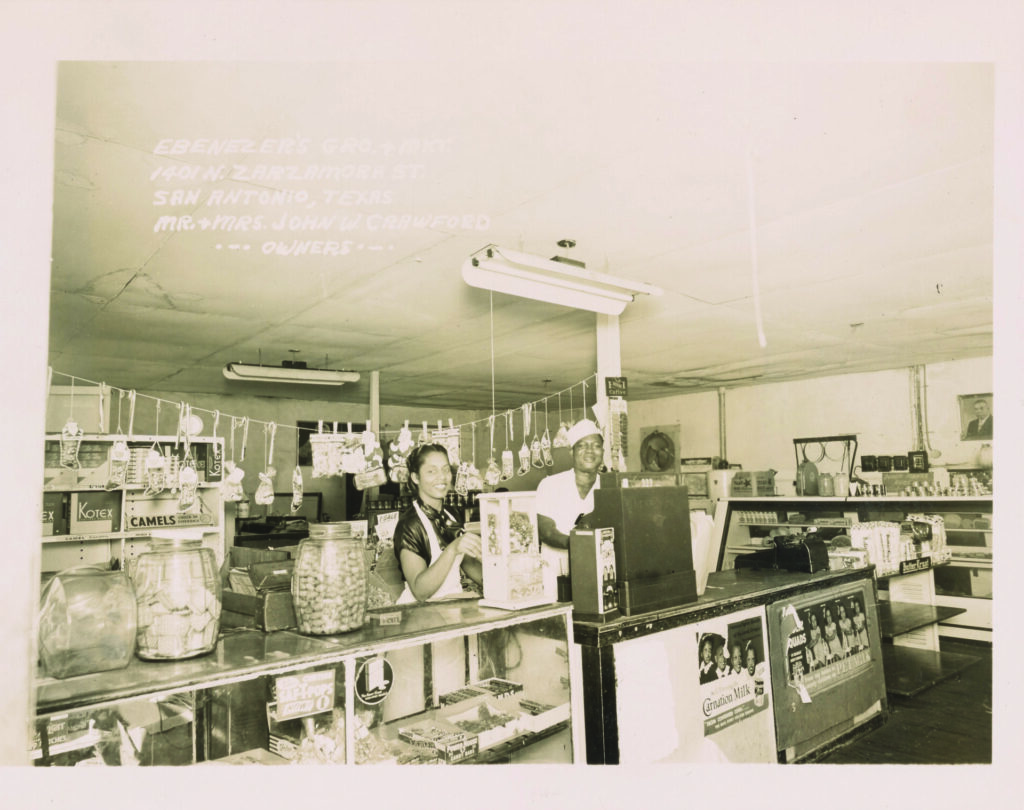
Private Collection of T. B. Willis via The Portal to Texas History at the University of North Texas Libraries.
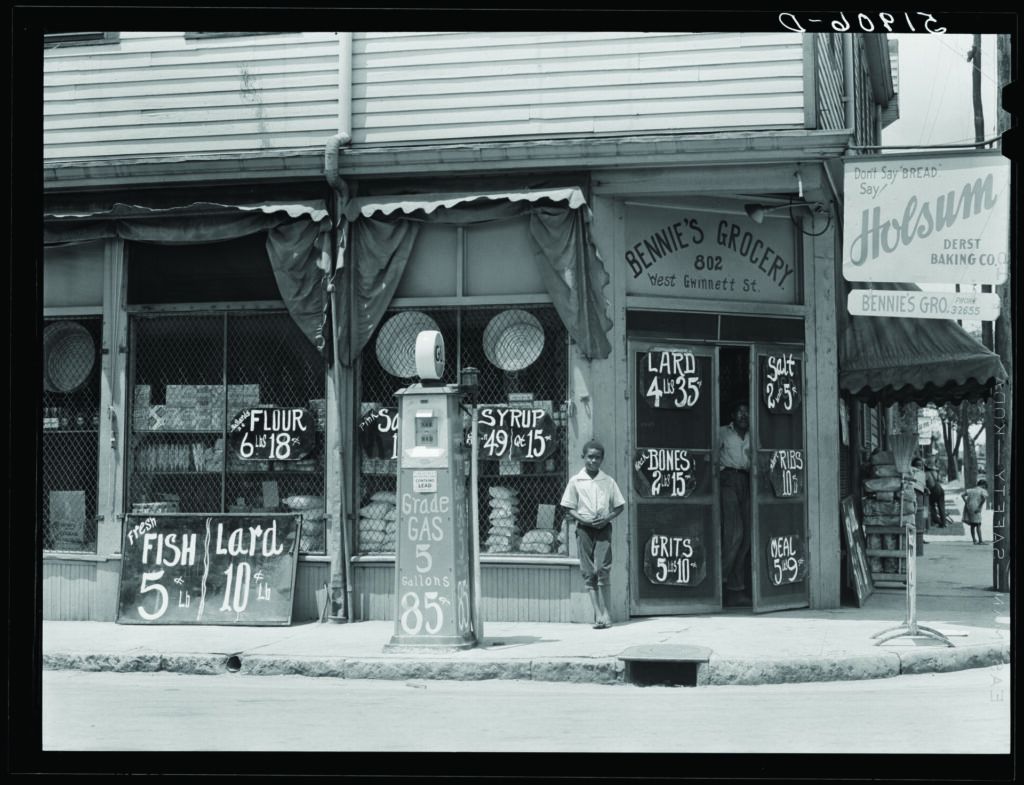
Library of Congress.
Keon Burns is a dual doctoral candidate in history and Africana studies at Pennsylvania State University. The Mississippi Department of Archives and History’s 2024 Medgar and Myrlie Evers Research Fellow, he earned his undergraduate and master’s degrees from the University of Mississippi.
SIGN UP FOR THE DIGEST TO RECEIVE GRAVY IN YOUR INBOX.