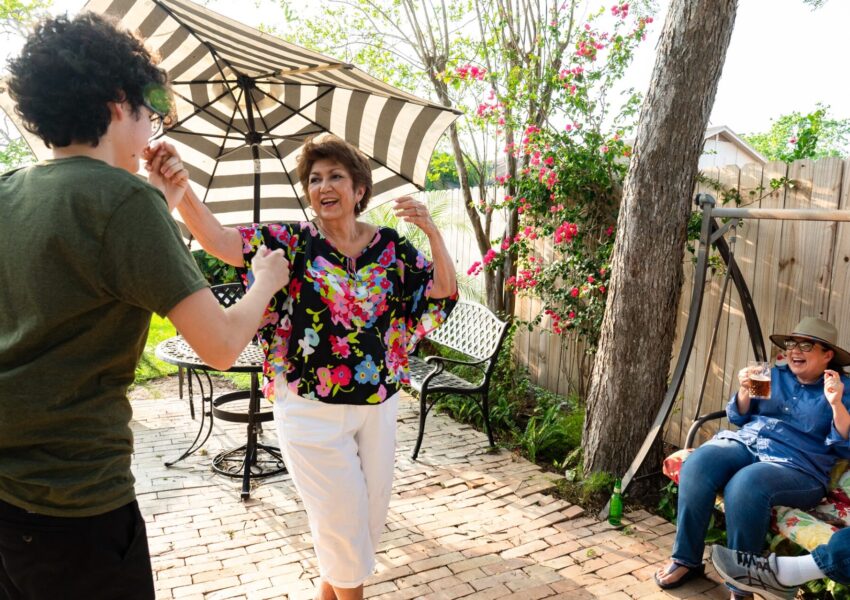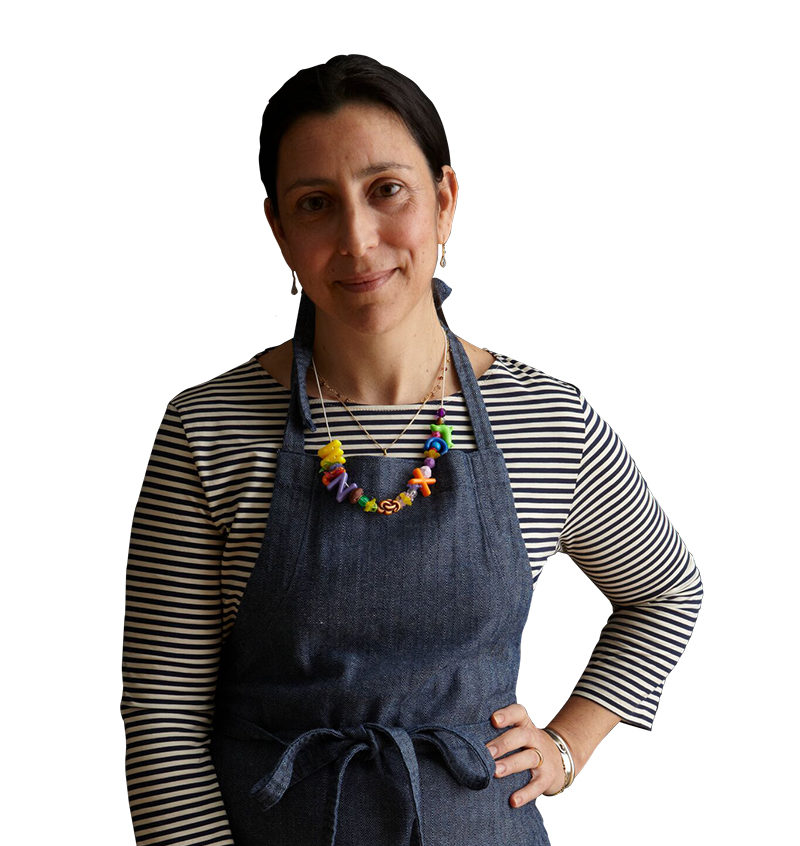

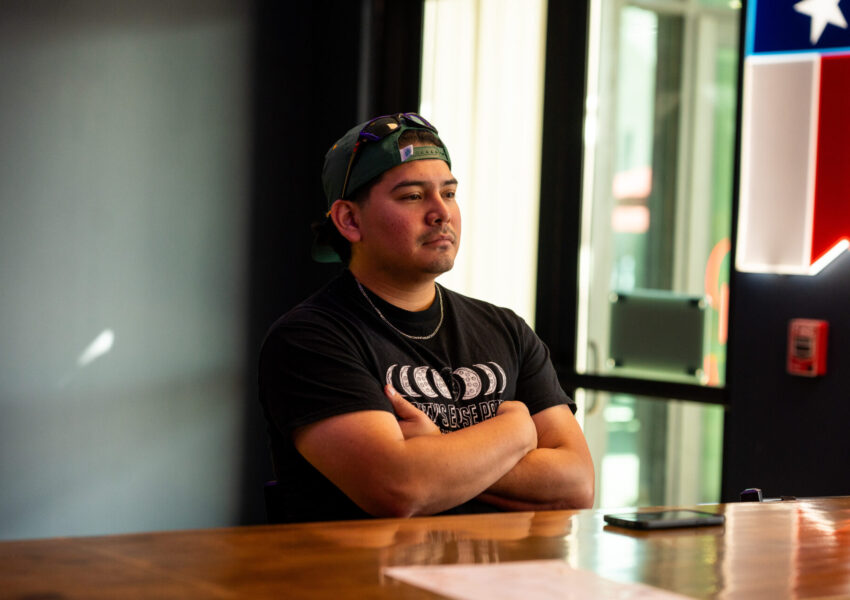




Minimum wage requirements are a hotly contested topic in the US, but much less attention has been directed towards the subminimum or tipped minimum wage, which in seventeen US states has stagnated at the hourly rate of $2.13 since 1991. The narrators for this project are all current or former restaurant servers in Waco, Texas, who share their challenges and triumphs working for $2.13 an hour.
The subminimum wage relies on tip credit to ensure that subminimum wage employees are paid the full minimum wage, which in Texas is the 2009-mandated federal minimum wage of $7.25 an hour (some states like California have raised their minimum wage as high as $16 an hour and as high as $20 for fast food workers). This places the burden of maintaining minimum wage largely on a server’s clientele, and leaves servers at the mercy of their customers to make ends meet. While restaurants are legally required to make up the difference in tip credit if an employee’s combined wages fall below minimum wage, oversight is limited, and one narrator in this project joined a class action lawsuit against a corporate restaurant employer due to wage withholding.
The practice of tipping workers for services rendered dates back to 17th century European aristocrats but was adopted by 19th century American entrepreneurs who were seeking ways to save on wages for a newly emancipated Black workforce. The legacy of this wage inequity continues to taint the earning potential of tipped service industry workers, 71 percent of whom are women and 48 percent of whom are people of color.
The narrators in this project confirm what some research has already revealed, namely that race and gender play a significant role in a server’s tipped earnings. Women are expected to dress and behave in specific gendered ways to garner tips, and some employers even have unwritten policies about the female serving staff they hire, such as the manager who told a narrator for this project that he only hires, “sevens to tens,” (a misogynist system of ranking women based on their supposed level of attractiveness). Every woman interviewed for this project described some kind of sexual harassment in the workplace, which is unsurprising given that at least 70% of female servers in the US have reported experiencing sexual harassment at work. Meanwhile, a Latino narrator for this project shared his first-hand account of racial tip inequity, when the same customers consistently tipped him less than his white coworkers despite receiving equal levels of service from both individuals.
This income inequity is further exacerbated by economic inflation, which affects everything from gas to groceries. In just two years between 2020 and 2022, rents in Waco increased at least 30 percent, while the subminimum wage has not budged. And none of this considers the cost of healthcare, which is not typically provided to restaurant servers; only two of the seven narrators in this project receive healthcare benefits from their employers, and most have either never been offered health insurance or have found that the coverage offered was too expensive for their wages to cover. Tales of servers working with broken ankles or anesthetized jaws from dental surgery abound, and one narrator felt obliged to return to work just one week after a life-threatening mental health crisis for which she was hospitalized. She is still trying to pay off the debt she incurred from that incident.
While all of the narrators in this project are aware of the difficulties of making a stable living on tips, they also take for granted that this is just the way it is, and most were surprised that anyone would take an interest in their stories. But the stories of these individuals are the stories of the people who serve our nation, and we would do well to serve them better in return, by valuing their work with a living wage.